
Views: 0 Author: Site Editor Publish Time: 2025-12-02 Origin: Site


Have you ever noticed those small, decorative pins on jackets, bags, or lanyards? They might seem like simple accessories, but they often carry a lot of meaning. From corporate branding to personal expression, custom lapel pins are a versatile and powerful way to make a statement.
If you’ve ever wondered how these pins are made or what type is right for your project, you've come to the right place. This guide will walk you through everything you need to know about creating your own custom lapel pins. We'll explore the different types available, the design process, and how to choose the perfect style for your needs.
By the end of this post, you'll understand why these small items have such a big impact and be ready to design a pin that tells your unique story.
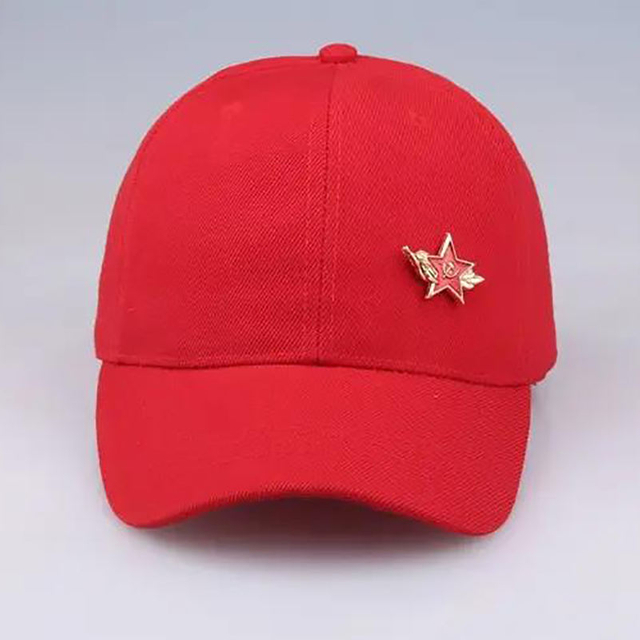
Lapel pins are small pins worn on clothing, often on the lapel of a jacket. While they started as a formal accessory, they've evolved into a popular medium for everything from corporate identity and event memorabilia to artistic expression and social causes.
The appeal of a custom lapel pin is its ability to convey a message in a compact, visually engaging format. Businesses use them to promote their brand, reward employees, and as giveaways at trade shows. Artists and designers create them to sell their artwork, while non-profits use them to raise awareness and funds for their cause. In essence, they are tiny billboards you can wear.
When you decide to create a custom lapel pin, one of the first choices you'll make is the type of pin. The manufacturing process and materials used will significantly impact the final look and feel of your design. Let's look at the most popular options.
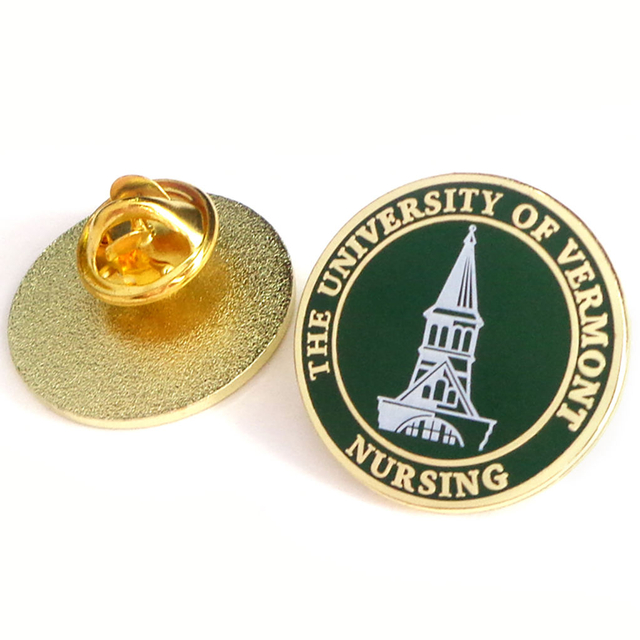
Often considered the highest quality, hard enamel pins (also known as Cloisonné) are prized for their durability and smooth, polished finish.
How they're made: The design is stamped into a metal base, and the recessed areas are filled with enamel colors. Each color is filled separately and baked at a high temperature to harden it. The pin is then polished down until the enamel and the metal lines are on the same level, creating a completely flat surface.
Best for: Corporate logos, professional branding, and premium retail products where a sophisticated look is essential.
Pros | Cons |
|---|---|
Highly durable and long-lasting | Higher cost than soft enamel |
Smooth, jewelry-like finish | Longer production time |
Vibrant, distinct colors | Less textural detail |
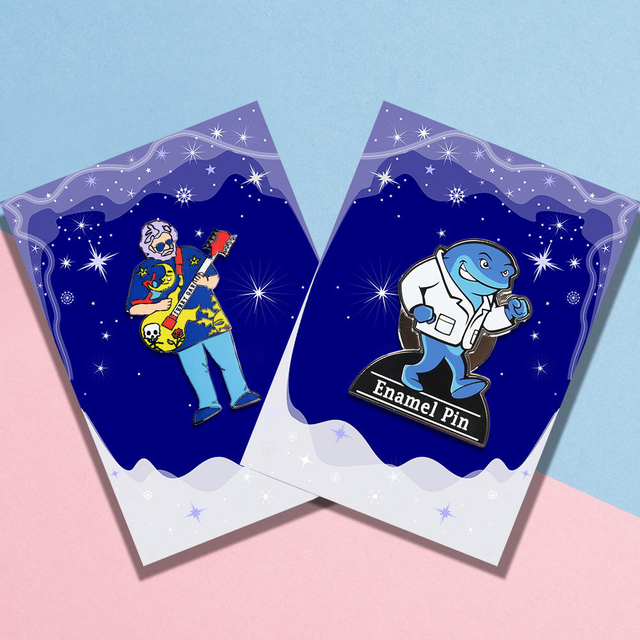
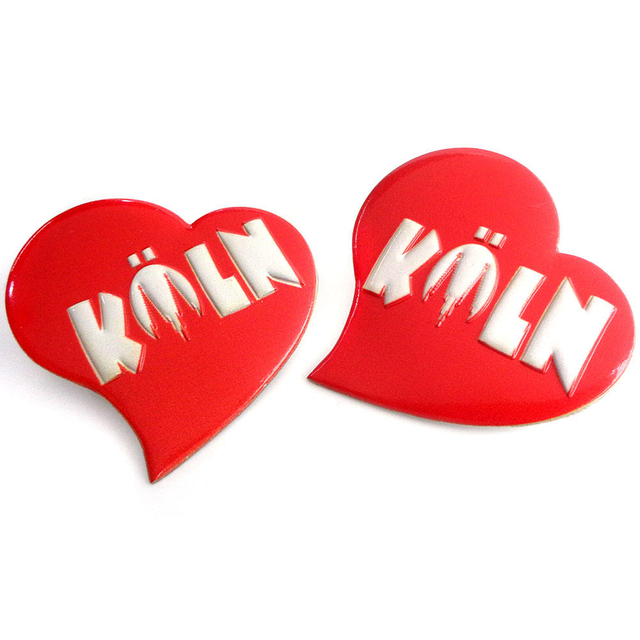
Soft enamel pins are the most popular and cost-effective option. They have a textured feel that many people find appealing.
How they're made: Similar to hard enamel, the design is stamped into metal. The enamel is then added to the recessed areas, but it's only air-dried, not baked at high temperatures. This process leaves the enamel sitting below the metal lines, creating a distinctive raised-and-recessed texture. An optional epoxy coating can be added on top for a smoother, more durable finish.
Best for: Promotional giveaways, event merchandise, and vibrant, detailed designs where texture can enhance the look.
Pros | Cons |
|---|---|
More affordable than hard enamel | Less durable without epoxy coating |
Quicker production time | Enamel can get scratched |
Great for detailed designs | Textured feel isn't always desired |
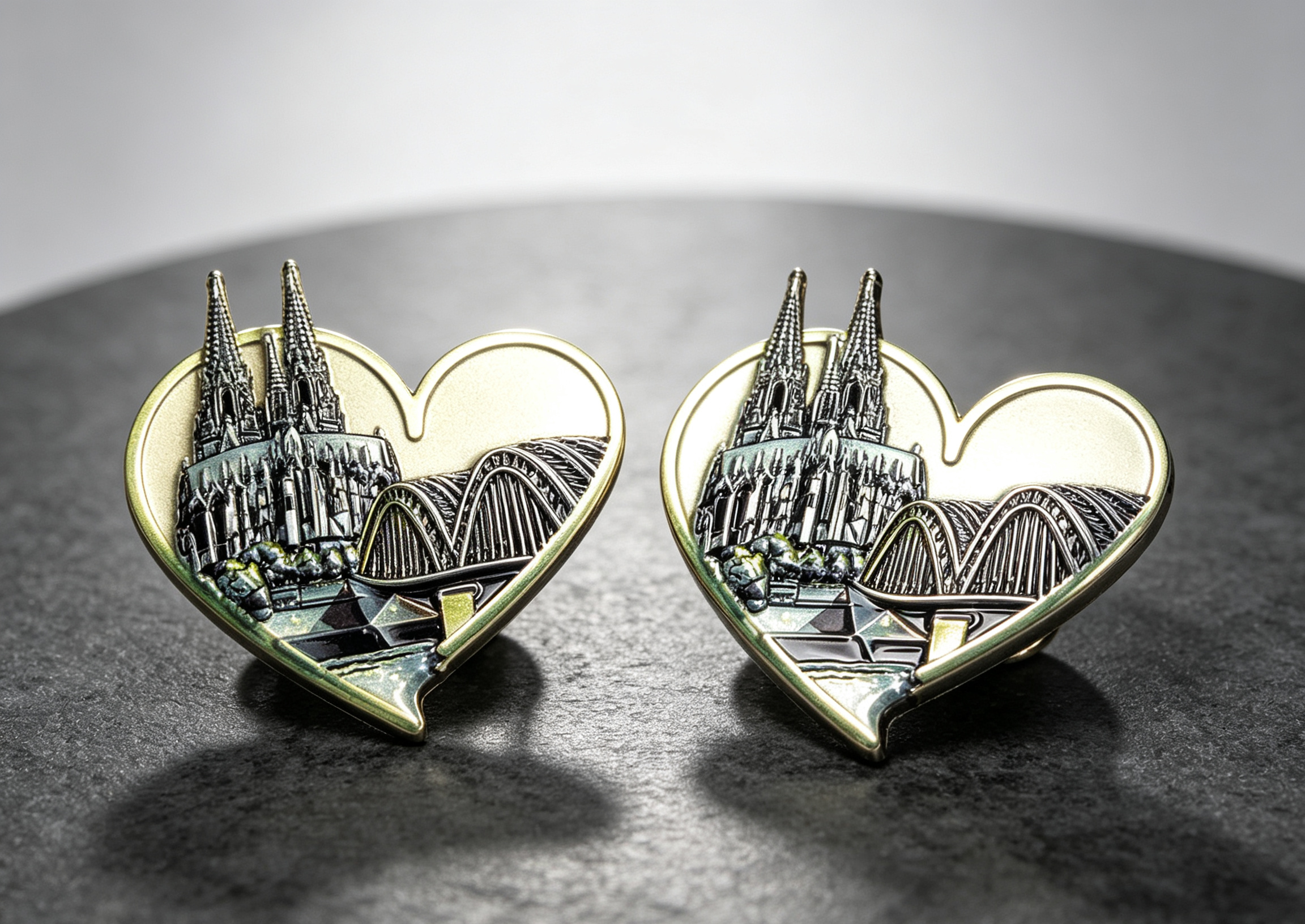
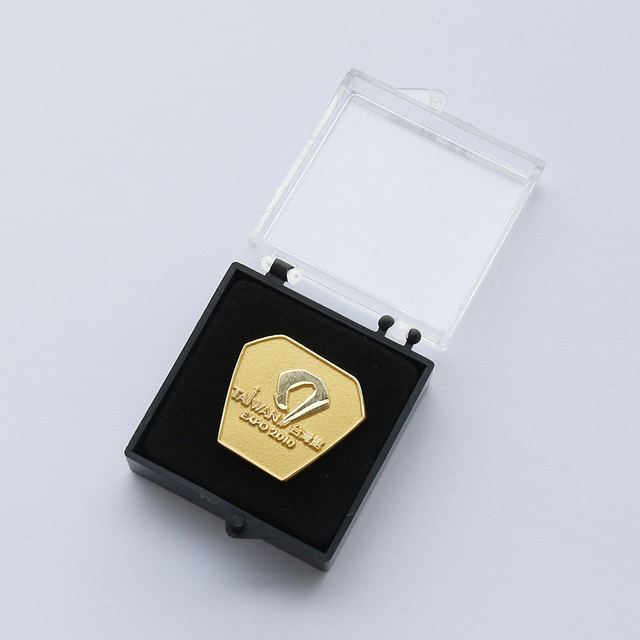
For a classic, elegant look, die struck pins are an excellent choice. These pins have no color and rely solely on the contrast between raised and recessed metal to create the design.
How they're made: A die is created from your artwork, which is then used to stamp the design onto a sheet of metal (usually copper, brass, or iron). The raised surfaces are often polished to a high shine, while the recessed areas can be sandblasted or given a matte finish to create contrast.
Best for: Award pins, anniversary logos, and sophisticated corporate branding that calls for a subtle, metallic look.
Pros | Cons |
|---|---|
Classic and elegant appearance | No color can limit design options |
Can be made in various metal finishes | Simple designs work best |
Perceived high value | Intricate details can be lost |
When your design is too complex for enamel—like a photograph or a design with gradients—printed pins are the perfect solution.
How they're made: The design is digitally printed directly onto a metal base (usually stainless steel or aluminum). An epoxy coating is then applied over the top to protect the printed image from scratches and fading.
Best for: Reproducing photos, designs with complex color gradients, and highly detailed artwork.
Pros | Cons |
|---|---|
Perfect for complex images and gradients | The printed image can look less premium |
Quick and cost-effective for intricate designs | Epoxy coating can yellow over time |
Allows for unlimited color options | Less durable than enamel pins |
The backing is what holds your pin in place. While it might seem like a small detail, the right attachment is crucial for functionality.
Butterfly Clutch: The standard and most common option. It's a small metal clutch that you squeeze to release.
Rubber Clutch: A popular alternative to the butterfly clutch, made of soft PVC. It's more comfortable against the skin and comes in various colors.
Locking Pin Back: A more secure option that locks the pin in place, preventing it from accidentally falling off. Ideal for pins worn on bags or thick jackets.
Magnets: A great choice if you don't want to put a hole in your clothing. However, it's not as secure as a pin and works best on thinner fabrics.
Creating a custom lapel pin is a rewarding process that turns your idea into a tangible piece of art. Whether you're promoting your business, celebrating an achievement, or sharing your creativity, the right pin can make a lasting impression. By understanding the different types of pins and design elements, you can create a high-quality product that perfectly represents your vision.
Ready to bring your design to life? Our team is here to help you choose the right materials, finishes, and backings to create the perfect custom pin for your needs. Contact us today to get a free quote and start your project!