
Views: 0 Author: Site Editor Publish Time: 2025-12-12 Origin: Site


You can scroll past a digital photo on your phone in a fraction of a second. You might glance at a printed certificate before filing it away in a drawer. But a coin? A coin demands to be held. It has weight, texture, and a sense of permanence that paper and pixels simply cannot replicate. This tangible quality is driving a massive shift in how people preserve history.
While coin collecting—or numismatics—has traditionally been about hunting down rare, government-issued currency, a new wave has entered the hobby. Collectors are no longer just finding history; they are minting it. Custom commemorative coins have exploded in popularity, bridging the gap between military tradition and personal storytelling.
From family reunions to corporate milestones, these bespoke metal pieces are becoming the go-to method for solidifying a legacy. They offer a unique blend of artistic expression and historical documentation, allowing individuals to create something that will literally outlast them. If you have ever wondered why these heavy, intricate discs are taking over the collecting world, you are about to find out.
At their core, custom commemorative coins are medallion-like objects minted to honor a specific person, place, event, or group. Unlike standard currency, they have no face value in a store, but their sentimental value is often priceless. They are typically struck from base metals like brass, copper, or zinc alloy, and then plated in precious metals like gold or silver.
These aren't the flimsy plastic tokens you might find at an arcade. These are substantial, high-quality pieces of art. They usually range in size from 1.5 inches to 3 inches in diameter and can be quite thick, giving them a satisfying "clunk" when placed on a table.
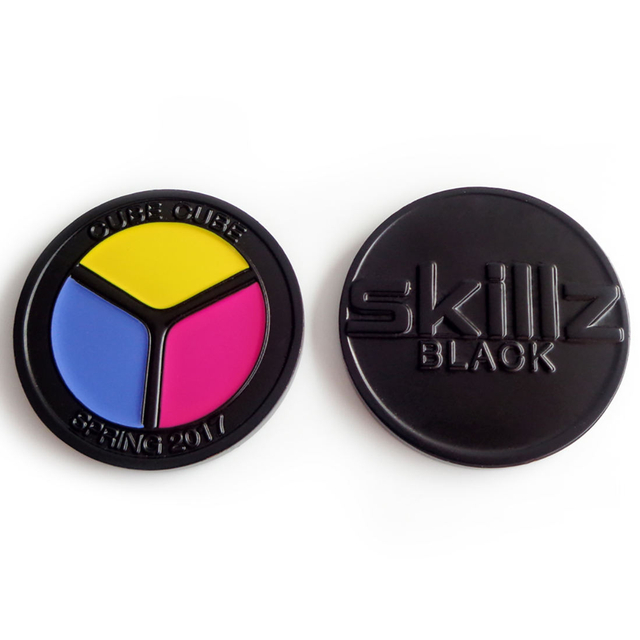
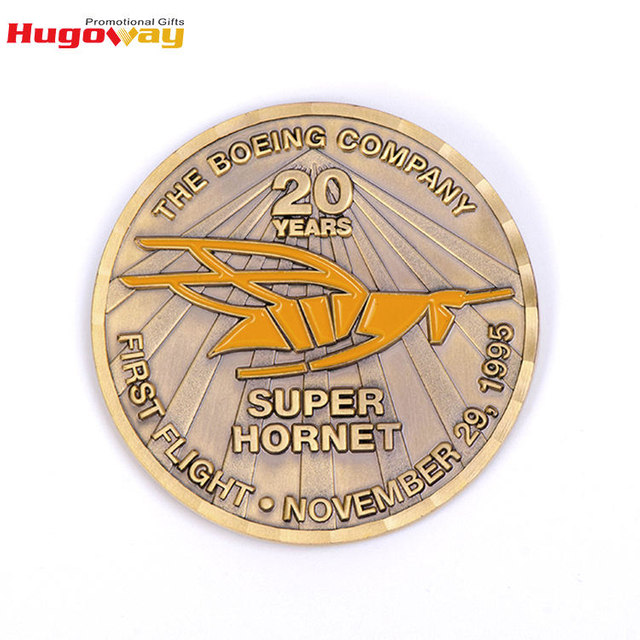
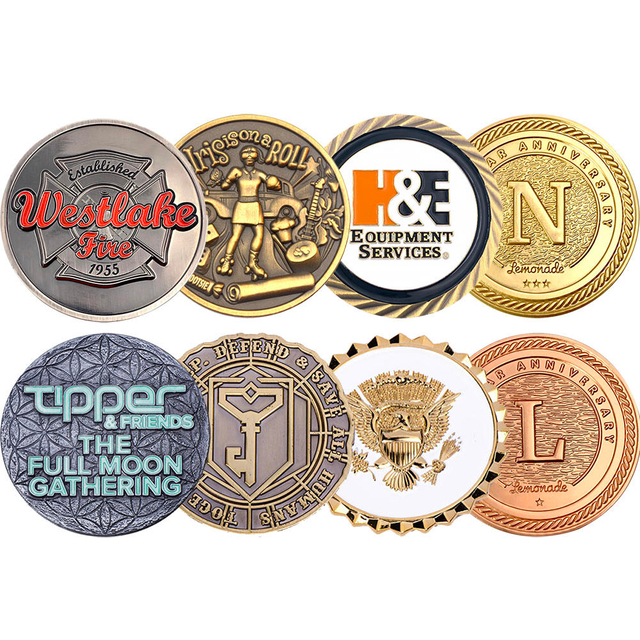
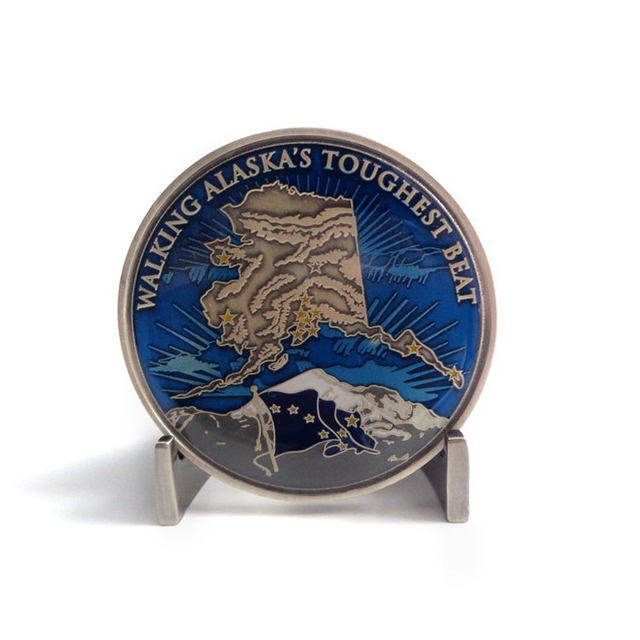
Modern manufacturing allows for an incredible range of customization. You can have 3D reliefs that pop off the surface, soft enamel paints that add vibrant color, or antique finishes that give the coin a weathered, historical look right out of the box.
The surge in interest comes from a desire for tangible connection. In an era where almost everything is digital and ephemeral, people are craving physical objects that represent their identity.
Much of this trend borrows from the military tradition of "Challenge Coins." historically, these were carried by service members to prove membership in a specific unit. Today, that concept has expanded into the civilian world. Families are creating "Family Challenge Coins" to instill a sense of belonging and heritage in younger generations. Companies use them to reward tenure, and non-profits use them to thank high-level donors.
Collectors love them because they tell a specific story. A government-issued quarter tells the story of a nation; a custom commemorative coin tells the story of a specific moment in time, captured forever in metal.

The process of creating a custom coin is a fascinating blend of industrial strength and artistic precision. It generally falls into two categories: Die Struck and Die Cast.
Die Struck coins are made by stamping a design into a solid sheet of metal (usually brass or copper) with immense pressure. This results in a sharp, clean image and a very high-quality feel. Die Cast coins are made by pouring molten metal (usually zinc alloy) into a mold. This is better for complex, 3D designs or coins that have cut-out sections.
Here is a quick breakdown of the materials often used in the process:
Material | Characteristics | Best Used For |
|---|---|---|
Brass | Heavy, dense, high-quality feel. | Premium commemorative coins and military awards. |
Zinc Alloy | Versatile, allows for detailed 3D shapes. | Coins with intricate cut-outs or high relief designs. |
Iron | Durable and cost-effective. | promotional coins or large-volume giveaways. |
Copper | distinct color, softer metal for deep stamping. | Artistic coins or those requiring specific antique finishes. |
When minting a custom commemorative coin, the design choices are nearly endless. This is another reason collectors are drawn to them—no two projects are exactly alike.
One of the biggest choices is the plating. You can opt for a shiny finish (gold, silver, nickel) which looks like jewelry, or an antique finish. Antique finishes are dipped in an oxidizing solution and then rubbed back, which darkens the recessed areas and highlights the raised text. Collectors often prefer antique finishes because they show off the details of the mold better and are more resistant to fingerprints and scratches.
Color is another factor. Soft enamel involves filling the recessed areas with liquid enamel, which sits lower than the metal borders. Hard enamel is filled and then polished flat, creating a smooth, seamless surface. Some modern coins even utilize UV printing for photorealistic images.
If you are looking to create a custom coin, perhaps for a family reunion or a business anniversary, the barrier to entry is lower than you might think. You do not need to order thousands of units. Many manufacturers now offer low or no minimum order quantities (MOQ), making it accessible for small groups.
Steps to get started:
Determine the Purpose: Is this for a family bond, a collectible series, or a reward?
Sketch Your Design: You don't need to be an artist. A rough sketch of what you want on the front (obverse) and back (reverse) is usually enough for a factory to create a digital proof.
Choose Your Specs: Select your size (1.75" is standard, 2" is popular for more detail), your metal, and your edge cut.
Review the Proof: This is critical. Check spelling and dates carefully before the metal dies are cut.
The cost of custom commemorative coins varies wildy based on complexity, size, and quantity. However, because you are often dealing with factory-direct pricing for the die-casting or stamping, it is surprisingly affordable compared to other custom merchandise.
Here are the primary factors that will influence your final price:
Feature | Impact on Cost | Note |
|---|---|---|
Size | High | A 3" coin uses significantly more metal than a 1.5" coin. |
3D Design | Medium | Creating a 3D mold is more labor-intensive than a 2D flat design. |
Quantity | High | Ordering more coins reduces the price per unit drastically. |
Packaging | Low/Medium | Velvet boxes or acrylic capsules add to the cost but increase perceived value. |
Custom commemorative coins are more than just metal discs; they are enduring symbols of belonging and achievement. Whether you are a serious numismatist looking to expand into private mints, or a family looking to create a physical representation of your bond, these coins offer a weight and permanence that is rare in our modern world.
From the intricate die-striking process to the limitless design potential, it is easy to see why this trend is growing. You aren't just buying a collectible; you are building one.