
Views: 0 Author: Site Editor Publish Time: 2026-01-04 Origin: Site


Small accessories often make the loudest statements. Whether you are a business owner looking to boost brand awareness, an artist wanting to merchandise your illustrations, or an organization planning a commemorative event, a custom pin is a powerful tool. These tiny pieces of metal are highly collectible, visually striking, and surprisingly affordable to produce.
However, if you have never manufactured a product before, the process can seem intimidating. From vector files to plating options and enamel types, there is a lot of industry jargon to navigate. You might be wondering where to start, how to get your artwork ready, or which material will best suit your design.
The good news is that creating a lapel pin custom designed for your needs is a straightforward process once you understand the basics. This guide answers your most pressing questions about pin manufacturing and walks you through the steps to turn your creative concept into a tangible, high-quality accessory.
Before diving into the technical details, it is helpful to understand why these pins remain so popular. In an era of digital marketing, physical touchpoints matter. A pin is not just a logo; it is a piece of art that people willingly wear on their jackets, bags, and hats.
For businesses, a customized lapel pin acts as a walking billboard. Unlike a business card that gets thrown away, a high-quality pin is often kept and displayed. For artists and creators, pins offer a high-margin entry point into physical goods. They are lightweight, easy to ship, and allow fans to support your work at a lower price point than a print or a t-shirt.
One of the first decisions you need to make is selecting the style of pin. The manufacturing method you choose will drastically change the look, feel, and cost of the final product. Companies like Hugoway offer a vast array of styles, ensuring there is a perfect match for every design.
Here is a breakdown of the most popular options:
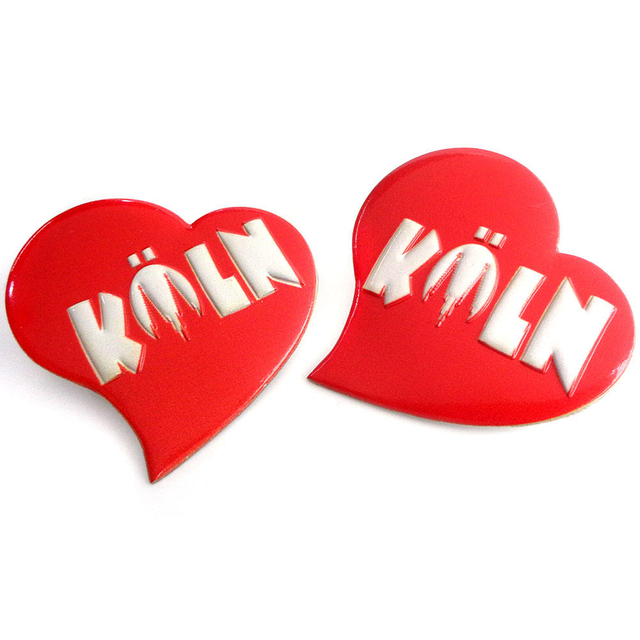
This is the most common style for trading pins and promotional items. In this process, the metal is stamped with a die, creating raised metal lines and recessed areas. The enamel paint is filled into the recesses. Because the paint sits lower than the metal borders, the pin has a textured, dimensional feel.
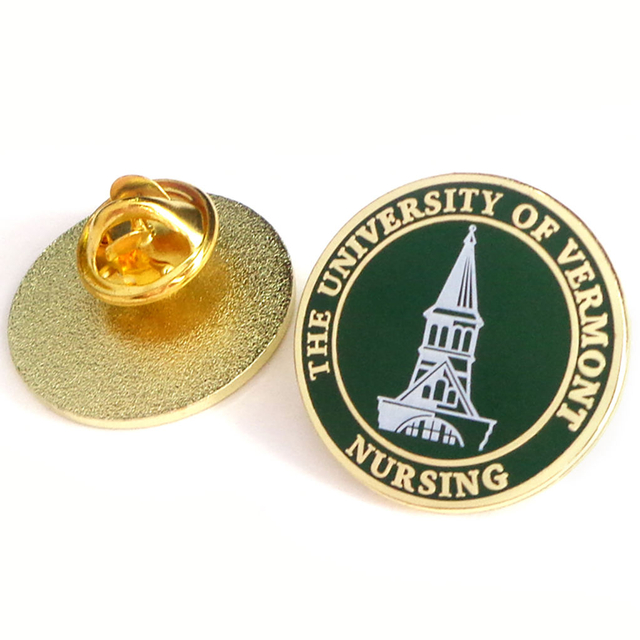
If you want a jewelry-quality finish, hard enamel is the standard. The process is similar to soft enamel, but the recessed areas are overfilled with paint. The pin is then ground down and polished until the metal lines and the enamel are flush and smooth. This results in a durable, high-end look.
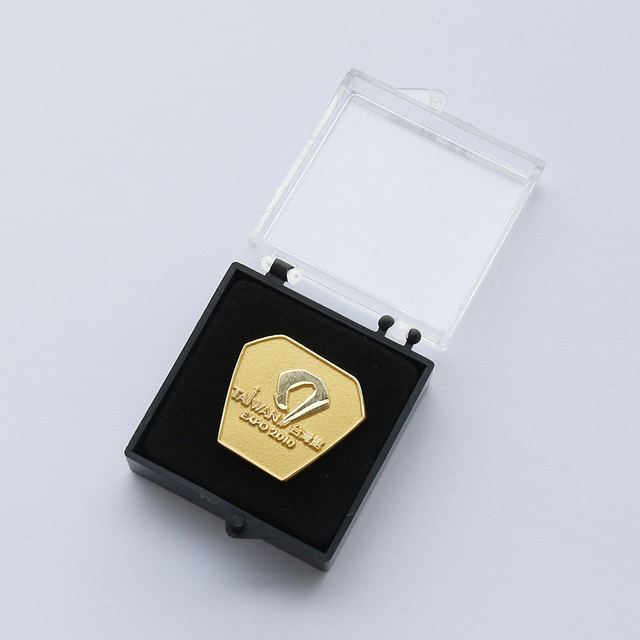
These pins do not use any color. Instead, they rely on the metal itself to create the image. The design is stamped into the metal, and the contrast is created by polishing the raised areas and sandblasting or texturing the recessed areas. This offers a classic, elegant aesthetic suitable for corporate awards.
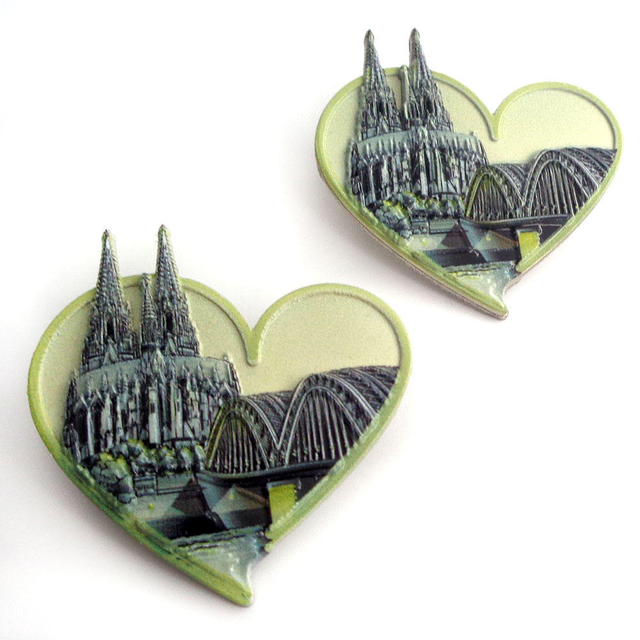
For designs that require intricate depth or unique mechanics, modern manufacturing offers exciting solutions. A 3D printing pin (or die-cast zinc alloy) allows for fully three-dimensional shapes, like a miniature statue. A rolling lapel pin includes moving parts, adding an interactive element that makes your design stand out.
To help you decide between the two most popular choices, refer to the table below:
Feature | Soft Enamel | Hard Enamel |
|---|---|---|
Texture | Ridged; you can feel the metal edges | Smooth and flat; polished surface |
Durability | High, but enamel can scratch over time | Very High; resistant to scratching |
Cost | Generally more affordable | Slightly higher cost due to polishing |
Best For | Bold designs, budget projects, complex colors | High-end retail, corporate branding |
Vibrancy | Colors appear very bright | Colors are polished and slightly darker |
You don't need to be a professional graphic designer to customize lapel pins, but you do need a clear concept. The most crucial rule of pin design is simplification. Remember that your canvas is usually only 1 to 1.5 inches wide. Tiny text and microscopic details will likely be lost or look muddy in the final product.
Manufacturers prefer vector files (AI, EPS, or PDF). Vector graphics use mathematical equations rather than pixels, allowing the design to be scaled up or down without losing quality. If you only have a JPEG or PNG, most manufacturers can help you convert it, but starting with a vector file ensures the most accurate translation of your art.
In enamel pins, colors must be separated by metal lines. These lines act as little walls to hold the liquid enamel in place. When designing, ensure that no two colors touch without a line in between them. If your design requires colors to blend (gradients), you might need to look into offset printed pins rather than traditional enamel.
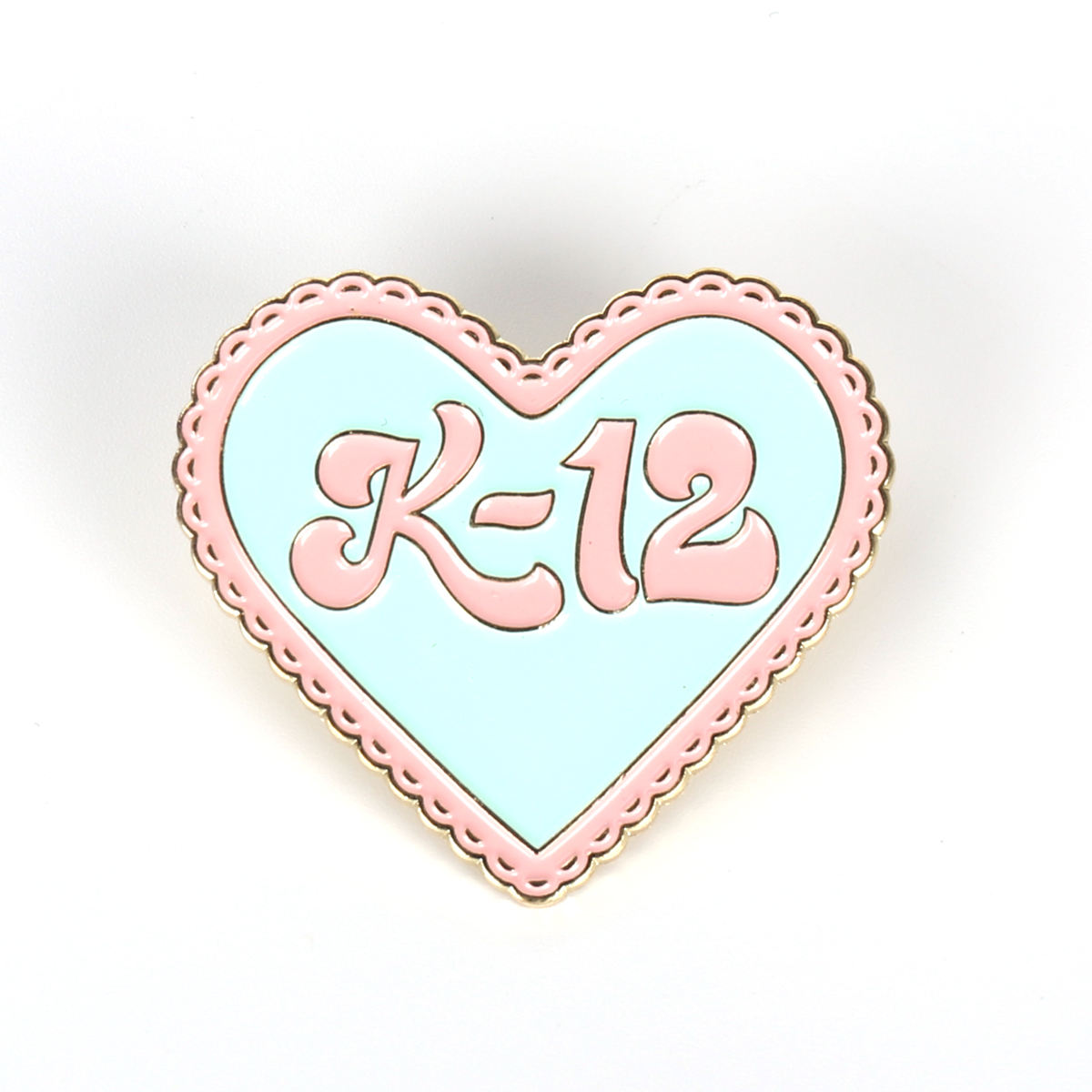
Once you have your core design and pin style selected, you can refine the look with various customization options. This is where you can truly make the product unique.
The metal plating defines the "lines" of your drawing. Hugoway offers a wide range of plating options, including:
Shiny Gold or Silver: Classic and bright.
Nickel: A durable, silver-like finish.
Rose Gold: Trendy and warm.
Antique Finishes: Great for die-struck pins to show contrast.
Matte Plating: A modern, non-reflective finish.
To make your pin pop, consider adding special effects. A glitter lapel pin adds sparkle to specific areas of the design, which is fantastic for magical or retro themes. You can also add glow-in-the-dark enamel or epoxy domes for a smooth, bubble-like finish over soft enamel.
Finding a reliable partner is the difference between a pin that falls apart in a week and one that lasts a lifetime. You want a manufacturer that offers low minimum order quantities (MOQs), clear communication, and diverse manufacturing capabilities.
For example, Hugoway is a China-based manufacturer that specializes in a wide variety of custom goods. They offer everything from standard enamel pins to fun, cartoon-style travel pins. They can handle complex requests like Customizable Fantasy Hot Sale Cheap China Manufacture Travel Funny Cartoon Enamel Pins, providing flexibility whether you need a hard enamel finish, a soft enamel texture, or something entirely unique.
When contacting a manufacturer, be prepared to send your design or logo immediately. A good factory will review your artwork and advise if any lines are too thin or if colors need to be adjusted for production.
If you are ready to move forward, here is what the typical timeline looks like:
Submit Quote Request: detailed information including size, quantity, and your artwork.
Digital Proof: The manufacturer will send you a "mockup" or "proof." This is a digital drawing showing exactly how the pin will look, including metal lines and Pantone color codes. Review this carefully. This is your last chance to make changes.
Mold Creation: Once approved, a custom metal mold is created for your specific design.
Production: The pins are stamped, plated, colored, and polished.
Quality Control and Shipping: The factory checks for defects before packaging and shipping the order to you.
The final step in the process is presentation. If you are selling your pins or giving them away as premium gifts, you shouldn't just hand them over in a plastic bag.
Standard pins come with a "butterfly clutch" backing, which is easy to use. However, for a more secure hold, you might request rubber clutches (which are gentler on skin) or magnetic backings (which don't puncture clothing).
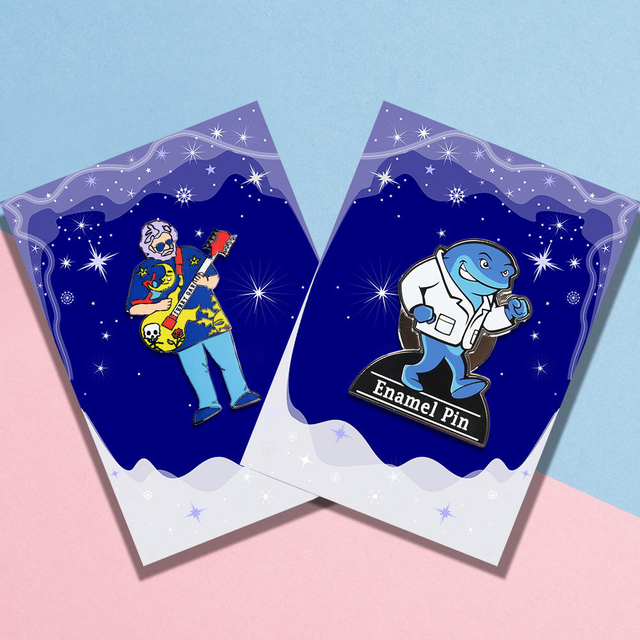
Consider designing a "backing card." This is a piece of cardstock that the pin is attached to. It provides extra real estate for your branding, your website URL, or a thank you message. A well-designed backing card can significantly increase the perceived value of the product.
Creating a custom lapel pin is a rewarding journey that blends creativity with industrial craftsmanship. By understanding the differences between hard and soft enamel, simplifying your design for the medium, and partnering with a versatile manufacturer like Hugoway, you can produce a stunning accessory that resonates with your audience.
Whether you choose a rolling lapel pin for a quirky effect or a classic die-struck pin for elegance, the possibilities are endless. Gather your ideas, finalize your sketches, and start the process today.