
Views: 0 Author: Site Editor Publish Time: 2025-12-17 Origin: Site


Small, metallic, and infinitely customizable, lapel pins have evolved from simple symbols of affiliation into powerful branding tools and collectible art pieces. Whether you are a business owner looking to boost brand awareness, an HR manager planning service awards, or an artist selling unique designs, the first step is understanding your manufacturing options.
Finding the right lapel pin maker is about more than just price; it is about finding a manufacturer who understands the nuances between different styles and materials. The production method you choose will dramatically affect the look, feel, and durability of the final product. From the jewelry-quality finish of hard enamel to the textured, classic look of die-struck metal, the possibilities are vast.
This guide explores the various types of custom pins a professional manufacturer can produce, helping you decide which style best suits your design and budget.
When you approach a lapel pin maker, the first question they will likely ask is whether you prefer soft or hard enamel. These are the two most popular styles, but they offer very different aesthetics.
Soft Enamel Pins
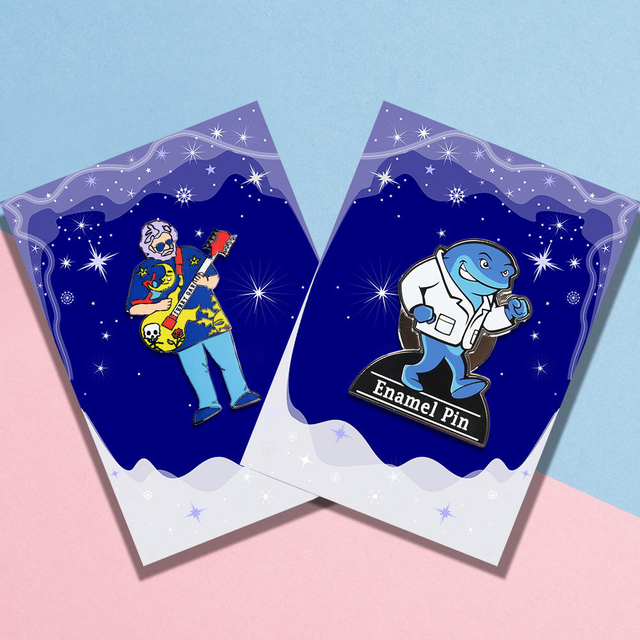
Soft enamel is the most common and traditional style. During production, the manufacturer creates a metal mold with raised borders. The recessed areas are then filled with colored enamel paint. The key characteristic of a soft enamel pin is its texture; if you run your finger over the surface, you can feel the ridges of the metal borders and the dips of the enamel paint.
Because the metal is raised, these pins often reflect light in a way that makes the design pop. They are an excellent choice for designs with vibrant colors and intricate lines.
Hard Enamel (Cloisonné) Pins
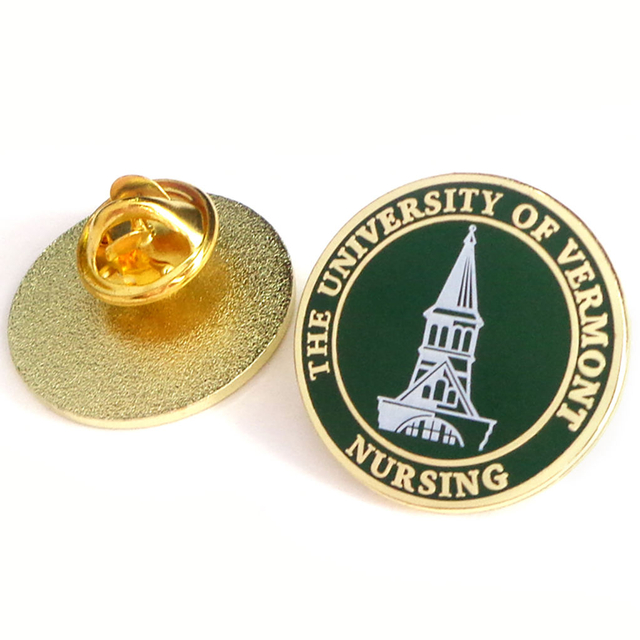
Hard enamel pins, often referred to as Cloisonné, offer a more polished, high-end look. Similar to soft enamel, the process begins with a metal mold. However, the recesses are filled with enamel powder and then kiln-fired at high temperatures to melt the powder.
After firing, the pin is polished flat until the enamel is flush with the metal lines. This results in a smooth, durable finish that feels like a single piece of jewelry. This style is often preferred for corporate branding and high-end merchandise because of its perceived value and durability.
Here is a quick comparison to help you choose:
Feature | Soft Enamel | Hard Enamel (Cloisonné) |
|---|---|---|
Texture | Textured (raised metal, recessed color) | Smooth and flat |
Durability | High, but surface can scratch | Very High (scratch resistant) |
Finish | Dimensional and vibrant | Polished and jewelry-like |
Best Use | Promotional items, artistic designs | Corporate pins, years of service awards |
Not all pins require color. If you are looking for a classic, elegant aesthetic, a die-struck pin might be the perfect solution.
A die-struck pin is created by creating a custom die of your design and stamping it directly into a sheet of metal. This leaves deep impressions for the background and raised areas for the foreground. Unlike enamel pins, no paint is added. Instead, the contrast is created through the play of light and shadow on the metal relief.
To enhance the legibility of the design, a lapel pin maker will often use sandblasting on the recessed areas to create a matte texture, while polishing the raised metal to a high shine. These pins are plated in various finishes, such as gold, silver, or nickel. They are widely used for legal professionals, years of service awards, and university emblems where a dignified, understated look is required.
Yes, modern manufacturing techniques allow for pins that go far beyond standard 2D shapes.
3D Cast Pins
While die-struck pins rely on two levels (raised and recessed), 3D casting allows for rounded, sculptured surfaces. A maker uses a mold into which molten metal—typically zinc alloy—is injected. This process captures incredible detail and depth, making it possible to create miniature replicas of objects, animals, or faces. If your design involves a high level of realism or contouring, 3D casting is the superior choice.
Cut-Outs and Custom Shapes
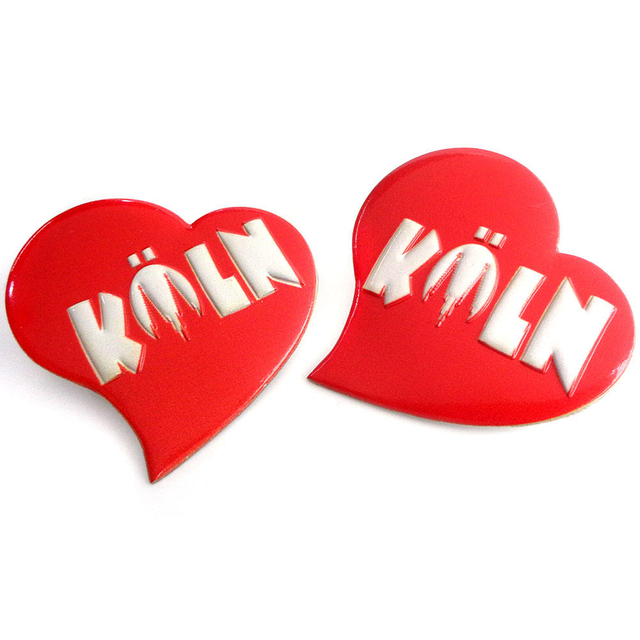
You are not limited to circles, squares, or shields. A custom lapel pin maker can cut the metal to the exact outline of your logo or character. Furthermore, "cut-out" pins can feature internal holes, allowing the fabric of the wearer's clothing to show through parts of the design. This adds a unique layer of interaction between the object and the wearer.
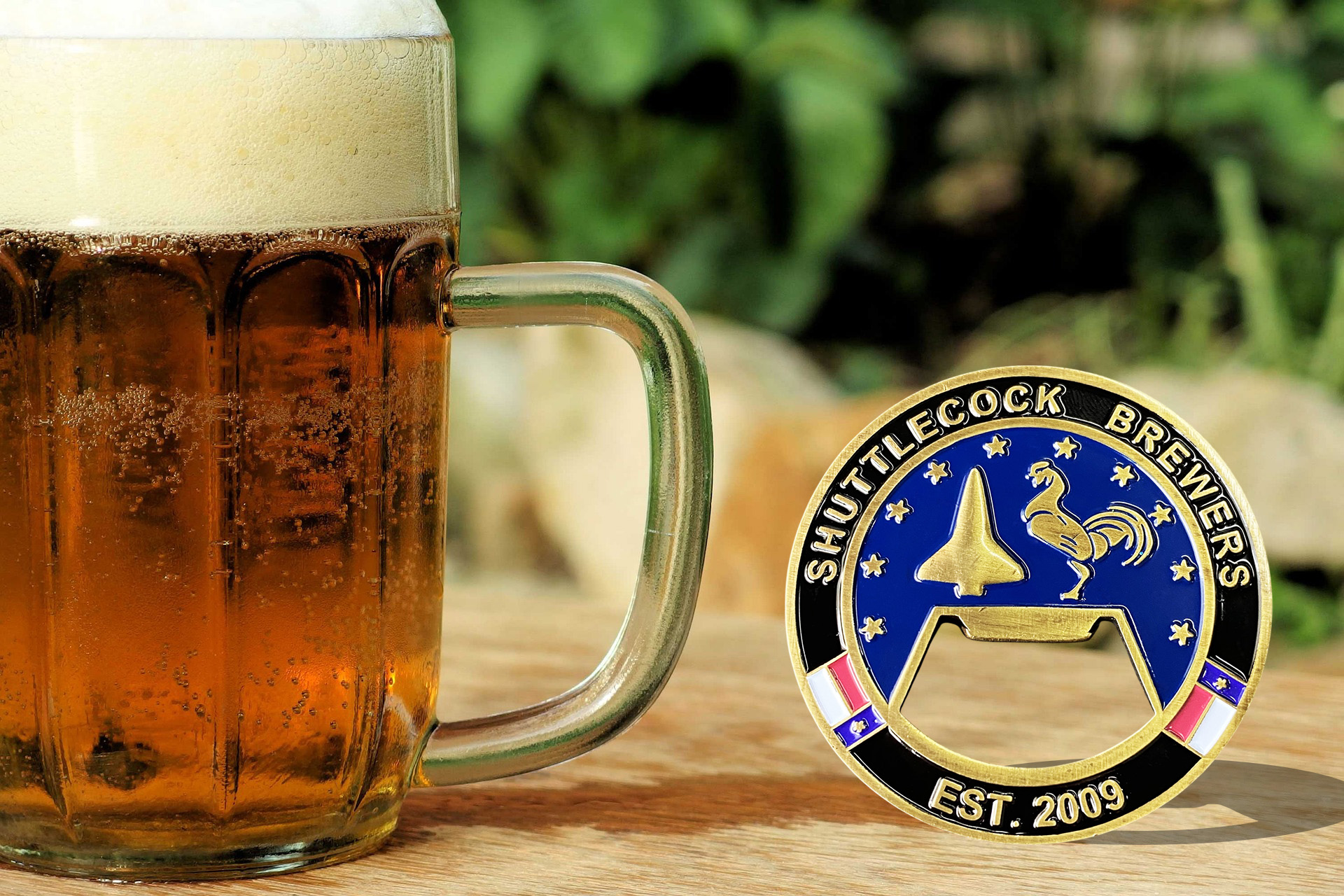
The base material of your pin dictates its weight, durability, and cost. Professional manufacturers typically work with a variety of metals to suit different needs:
Brass: Often used for hard enamel and die-struck pins, brass is a heavy, high-quality metal that takes plating well.
Iron: A harder and more affordable option, often used for soft enamel pins. It is magnetic and durable.
Zinc Alloy: The standard for 3D pins and designs requiring detailed cut-outs. It is versatile and allows for the injection molding process.
Stainless Steel: Used for printed pins (offset printing) where a flat surface is needed without metal borders separating colors.
Beyond the standard lapel pin, manufacturers often produce related identification and promotional items. If you are running a conference or managing office security, you may need more than just a decorative pin.
Badge Holders
A badge holder is a functional item used to display ID cards or name tags. Manufacturers can produce customized badge holders made from rigid plastic, flexible vinyl, or acetate. These often feature punched slots for lanyards or clips.
Retractable Badge Reels
For environments requiring keycard access, retractable badge holders are popular. These contain a cord that allows the user to pull their ID card out to swipe a reader, after which it retracts back into the casing. These casings can often be customized with a printed or domed logo, ensuring your branding is visible even on functional office supplies.
The pin itself is only part of the package. A reputable maker will offer various attachment options to ensure the pin stays securely in place.
Butterfly Clutch: The standard attachment, easy to use and lightweight.
Rubber Clutch: More comfortable against the skin and grips the pin post tightly; often preferred for colorful enamel pins.
Safety Pin: Used for larger badges to prevent the pin from rotating.
Magnet: A great option for delicate clothing where you do not want to puncture the fabric.
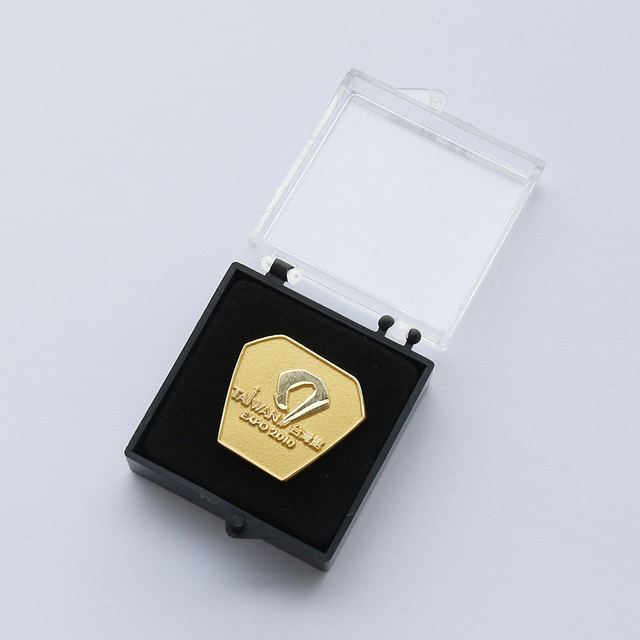
Finally, consider the packaging. From simple poly bags to velvet pouches or clear plastic boxes, the way a pin is presented can significantly increase its perceived value as a gift or retail product.
Whether you want the vibrant, textured feel of soft enamel or the sophisticated, polished look of a die-struck antique gold finish, there is a production method to match your vision. Understanding these distinctions helps you communicate effectively with your lapel pin maker, ensuring the final product aligns with your brand’s aesthetic and quality standards. By selecting the right materials, styles, and finishes, you can create a small piece of metal that makes a lasting impression.