Views: 0 Author: Site Editor Publish Time: 2026-01-27 Origin: Site


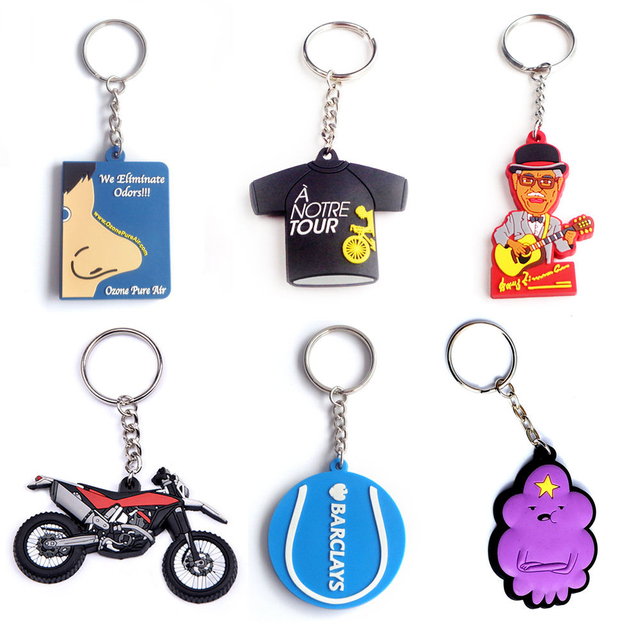
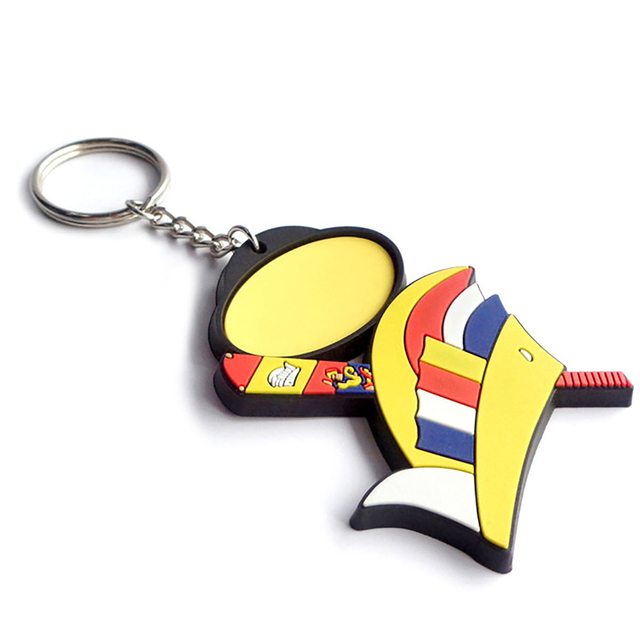
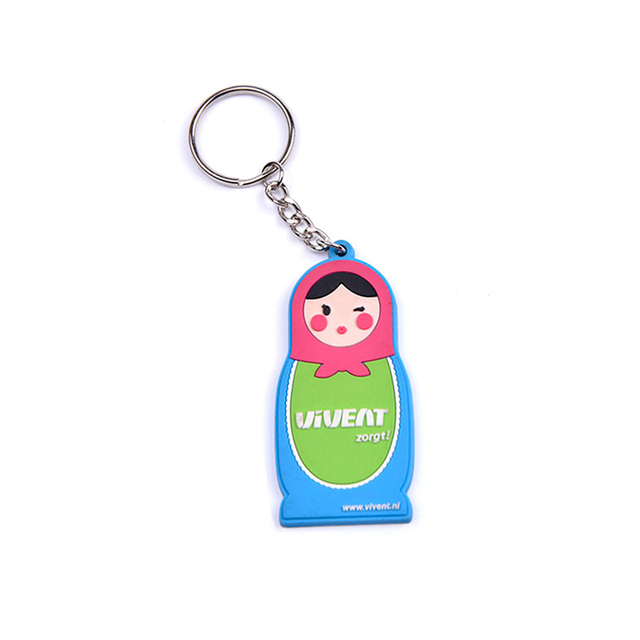
We've all seen them swinging from backpacks, organizing sets of car keys, or dangling from lanyards at conventions: the colorful, soft-touch charm of a PVC keychain. Unlike their rigid metal counterparts, these accessories offer a tactile experience that's fun, durable, and incredibly versatile. But have you ever wondered how a flat design transforms into a popping, three-dimensional accessory?
Creating a custom 3D PVC keychain is a fascinating blend of artistry and industrial precision. It's not just about printing an image; it's about layering liquid material to build a miniature sculpture you can carry in your pocket. Whether you're a business looking for memorable merchandise or an artist wanting to bring your characters to life, understanding the process is the first step to creating something unique.
In this guide, we'll walk you through the journey of a PVC keychain, from the initial digital sketch to the final heating process that sets your design in stone—well, in soft, durable rubber.
Making a custom PVC keychain involves several precise steps that require specialized materials and machinery. It is a layering process where liquid PVC (Polyvinyl Chloride) is poured into molds to create the desired shape and design.
The journey begins with your vision. You choose a shape, a logo, and a color palette. Unlike standard printing, PVC designs need to be separated into specific layers and colors because each color is poured separately.
Top Tip: Simple or intricate logos both work, but bold lines often translate best into the 3D medium.
Once the artwork is finalized, a metal mold is CNC-machined. This isn't a flat stamp; it's carved with varying depths. For 3D designs, the mold will have deeper recesses and curved gradations to create that rounded, sculpted look rather than just flat levels.
Liquid PVC is mixed with pigments to match your specific design colors. This liquid material has a consistency similar to thick paint or cookie icing.
This is where the magic happens. The colored liquid PVC is dispensed into the mold's recesses.
Manual vs. Automatic: For intricate details, skilled workers might use syringe-like tools to inject colors manually. For larger areas, machines can dispense the material.
Layering: The colors are added in layers. The bottom-most details go in first, followed by the background layers.
After the PVC is dispensed, the mold goes into an oven. The heat cures the liquid, turning it into a solid but flexible rubber. This process might be repeated several times as different layers are added to ensure everything bonds correctly without blending into a muddy mess.
Once fully cured, the mold is cooled, and the new keychain is popped out. Excess material is trimmed, and the attachment (like a split ring or ball chain) is added.
When deciding on custom merchandise, the debate often comes down to metal versus PVC. While metal has a classic feel, PVC keychains offer distinct advantages, especially for modern brands and colorful designs.
Feature | Metal Keychains | PVC Keychains |
|---|---|---|
Texture | Hard, cold, rigid | Soft, flexible, warm to touch |
Durability | Can scratch or tarnish over time | Waterproof, won't crack or fade easily |
Color | Limited by enamel filling barriers | Unlimited, vibrant, pantone-matched |
Weight | Heavy | Lightweight |
Detail | Good for fine lines | Excellent for 3D, sculpted effects |
Safety | Hard edges can be sharp | Soft edges, safe for kids and pockets |
The "soft touch" of PVC rubber keychains makes them incredibly popular for lifestyle brands, sports teams, and anime merchandise. They don't jingle loudly, they don't scratch your phone screen in your pocket, and they can survive a trip through the washing machine.
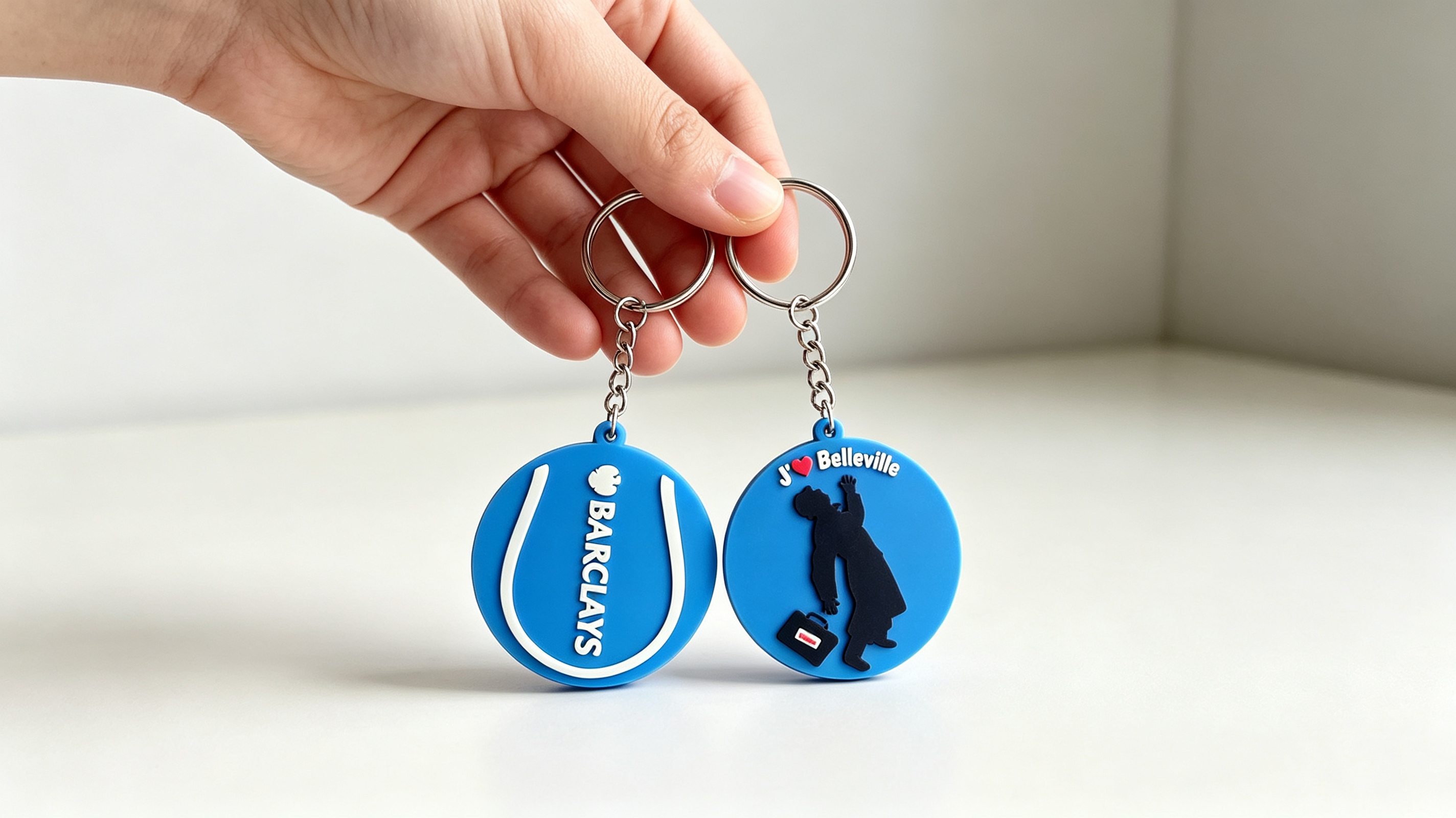
At Hugoway, we offer many custom PVC keychain styles, but understanding the difference between 2D and 3D is crucial for getting the look you want.
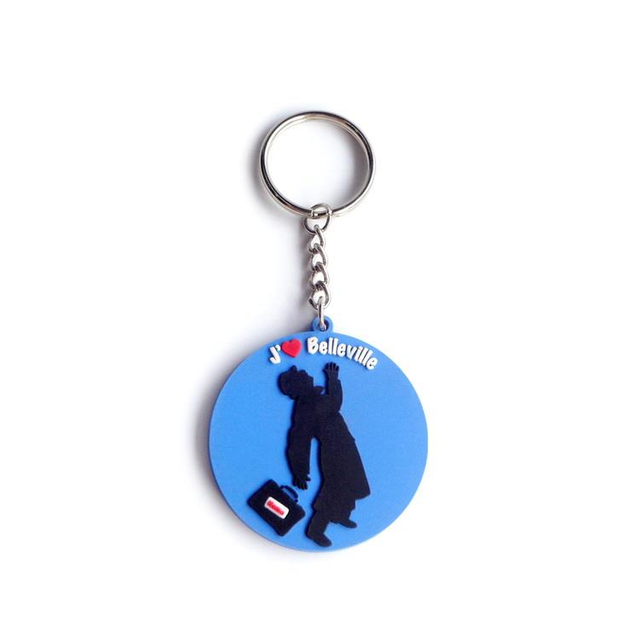
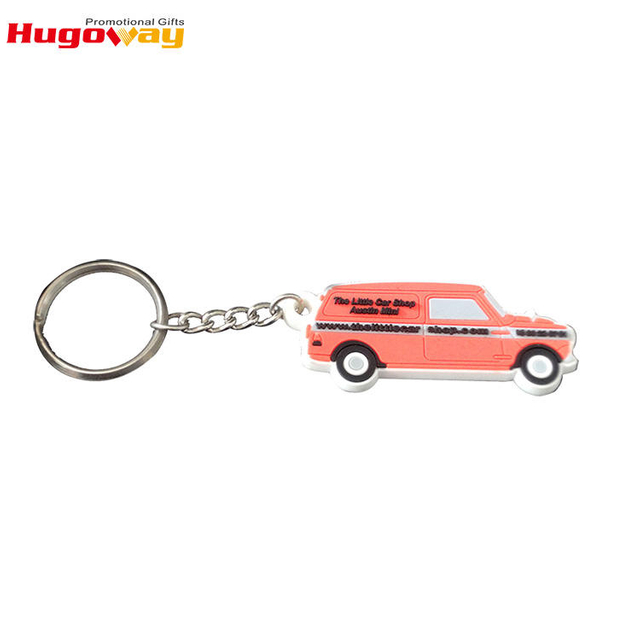
A 2D keychain has a flat back and a flat front, but with raised layers. Think of it like a topographic map. The layers have sharp, square edges. You can feel the ridges between the different colors, but the top of each color is flat. It gives a crisp, clean, "layered" look.
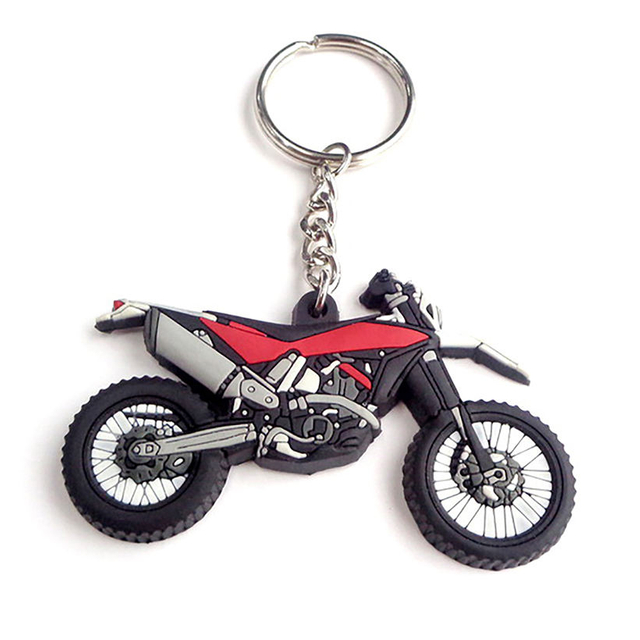
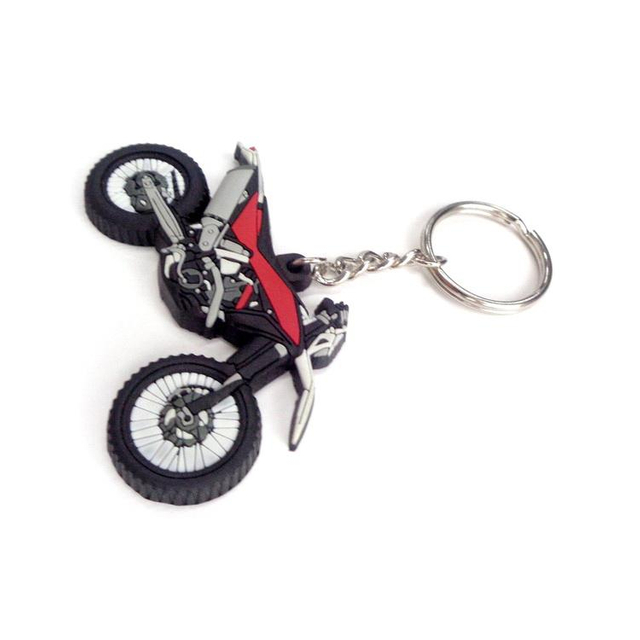
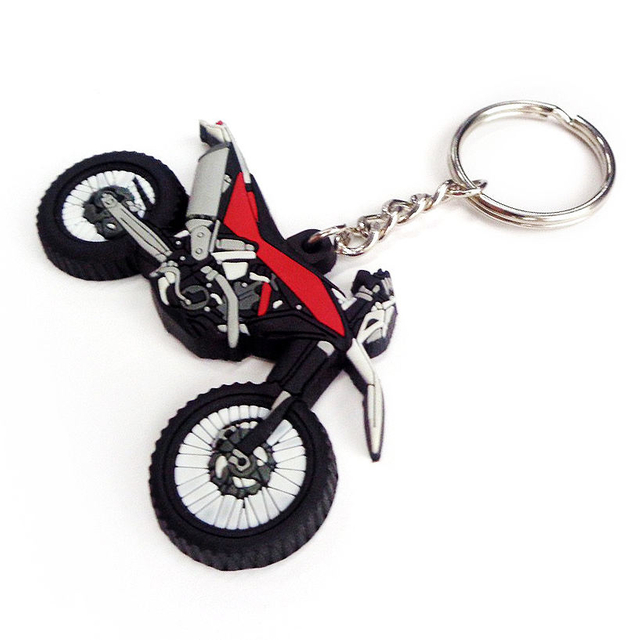
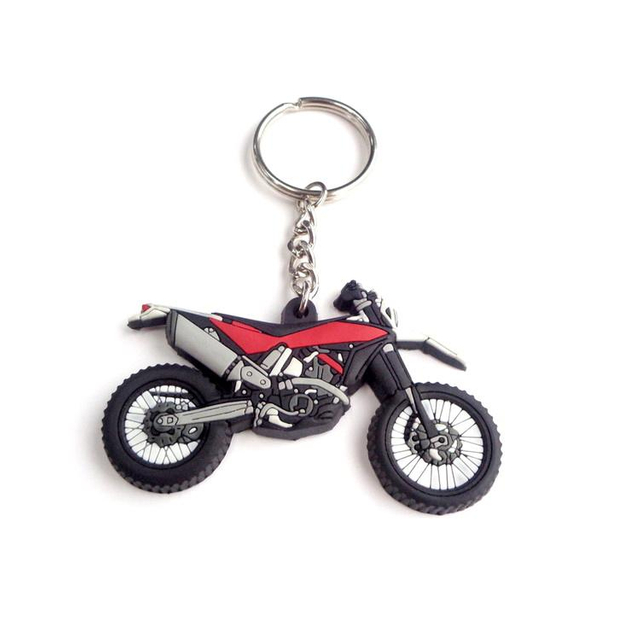
A 3D PVC keychain is sculpted. The surfaces are curved and rounded. If you have a character's face, the nose will actually protrude with a rounded curve, rather than just being a raised flat square. This creates a lifelike, miniature figurine effect. It provides a higher level of detail and a more premium feel, perfect for anime PVC keychains or mascot replications.
When you are ready to send us your design, consider these additional customization features to make your keychain truly yours:
Backside Printing: Don't waste the space on the back! You can print your website, email, or a slogan on the flat reverse side.
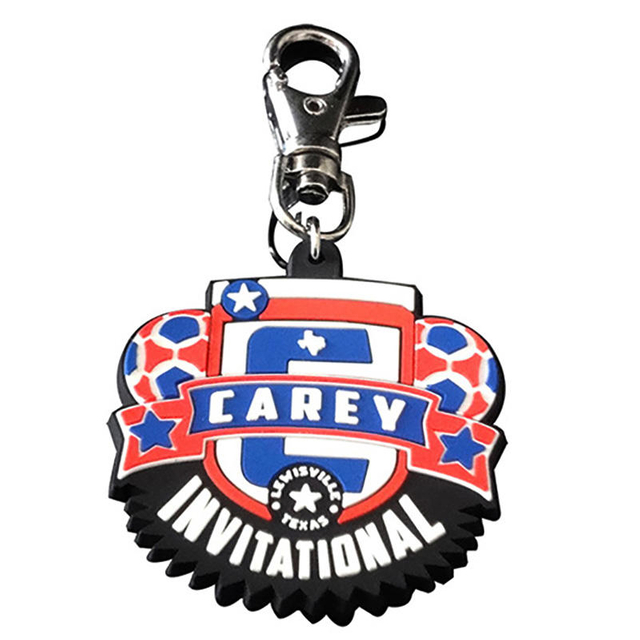
Attachments: Choose between standard split rings, lobster claws, or ball chains depending on how you expect people to use them.
Sizes and Thickness: Standard thickness ranges from 4mm to 6mm, but you can go thicker for a chunkier, more substantial feel.
Glow in the Dark: Special PVC mixtures can make parts of your design glow, adding an extra "wow" factor.
Creating a custom accessory is easier than you think. Whether you need a logo PVC keychain for a corporate giveaway or a set of silicone PVC keychains for your artist alley table, the process is streamlined for your convenience.
At Hugoway, we specialize in turning your concepts into tangible, high-quality rubber keychains. With no strict minimum order quantities (MOQ) on many items and a dedicated team to guide you through the mold and design process, you're just a few steps away from having your own custom 3D merchandise.