
Views: 0 Author: Site Editor Publish Time: 2026-06-11 Origin: Site


Designing custom made medals and anime enamel pins involves selecting materials like zinc alloy or brass, choosing plating colors, and determining thickness (usually 2mm to 6mm). Custom sports medals and pins reward participants, boost brand awareness, and create lasting memories for events like 5K runs and martial arts tournaments.
Event organizers constantly look for memorable ways to reward participants and commemorate special occasions. High-quality awards provide a physical reminder of personal achievement, making the design and manufacturing process critical. Finding the right manufacturer ensures your event awards look professional and last for years.
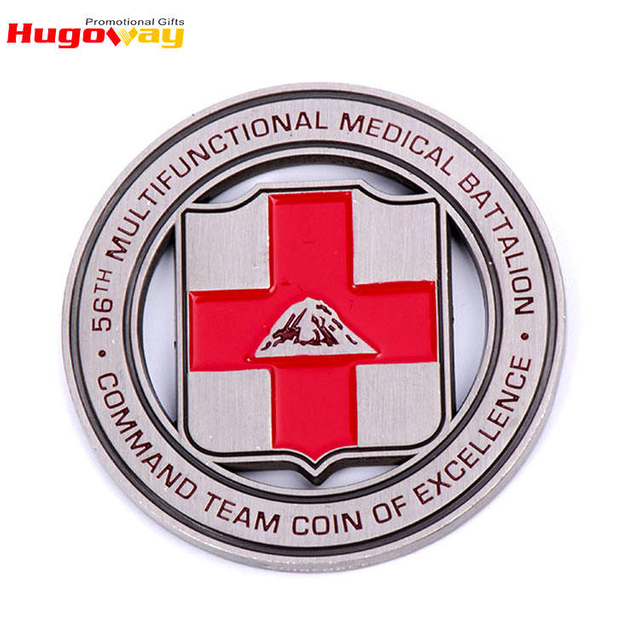
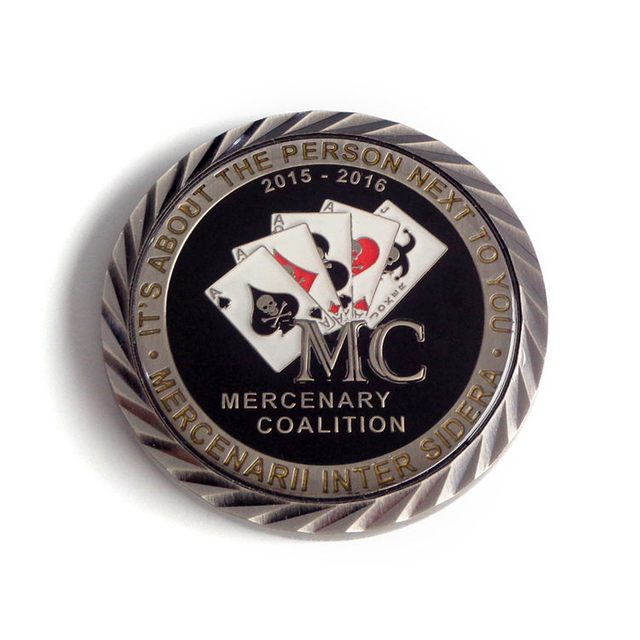
Many organizations use personalized items to build community and recognize hard work. A well-designed award serves as a badge of honor for athletes, military personnel, and corporate teams alike. Sourcing these items directly from experienced manufacturers like Zhongshan Hugo Way Gift Co., Ltd. allows you to maintain high quality while controlling production costs.
This guide explores the exact specifications and design choices available for modern awards. You will learn about different materials, enamel types, and structural options necessary to create everything from custom 5k medals to intricate lapel pins.
Choosing the right base material forms the foundation of any great award. The material dictates the weight, durability, and overall feel of the product. Manufacturers typically offer several metal options to suit different budgets and design complexities.
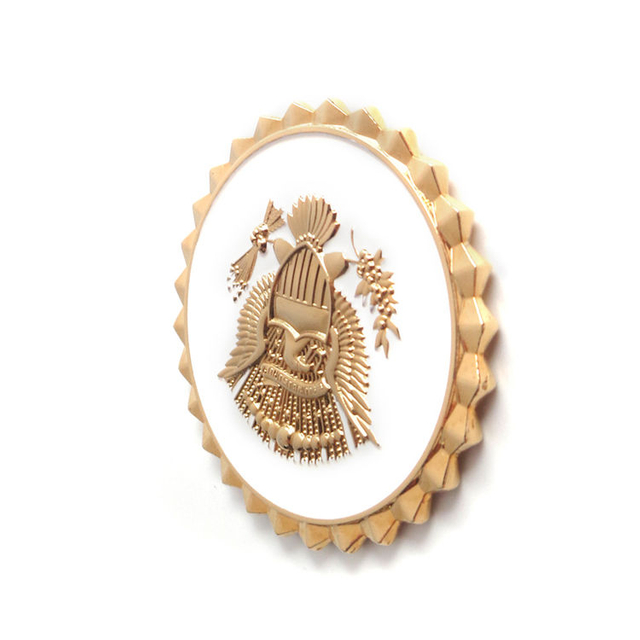
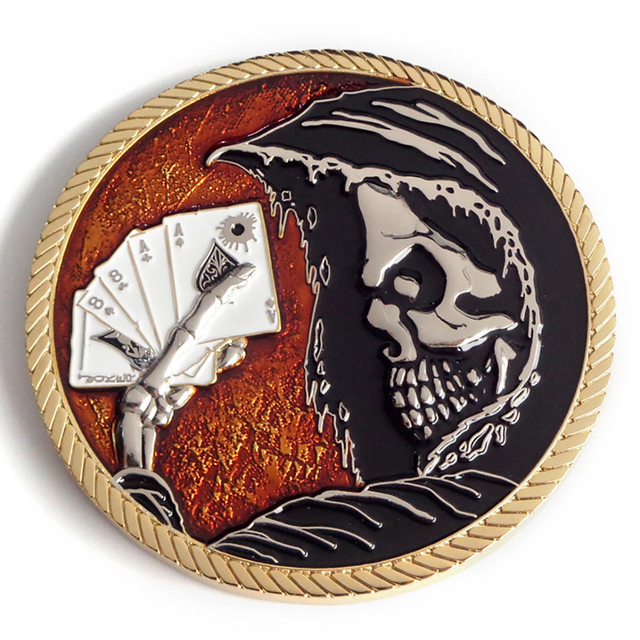
Zinc alloy is highly versatile and cost-effective. Manufacturers inject molten zinc alloy into custom molds, making it the perfect choice for designs that require intricate details or 3D elements. If you need cheap custom medals that still feel substantial, zinc alloy delivers an excellent balance of price and performance. According to industry standards [Zhongshan Hugo Way Gift Co., Ltd., 2022], zinc alloy readily accepts various plating finishes like shiny gold and antique silver.
Brass offers a heavier, more premium feel compared to zinc alloy. Organizations often select brass for custom military medals and prestigious corporate awards. Brass is struck rather than cast, resulting in exceptionally crisp lines and sharp text. Choose brass if longevity and a classic, weighted feel matter more to you than keeping the initial production costs as low as possible.
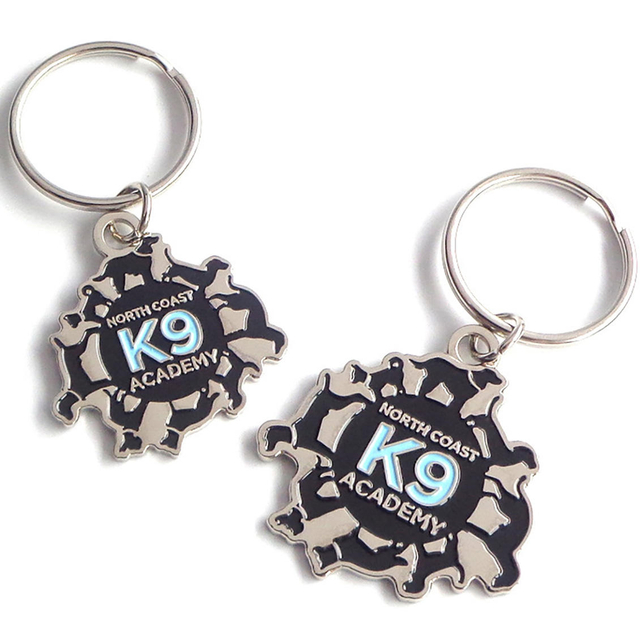
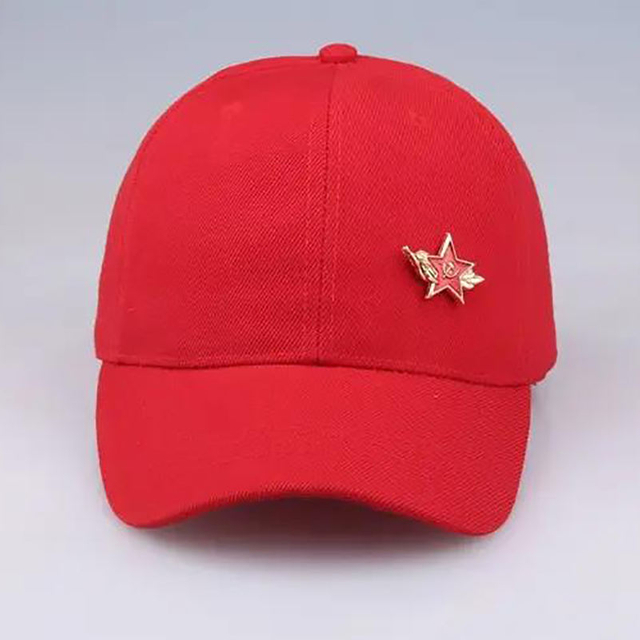
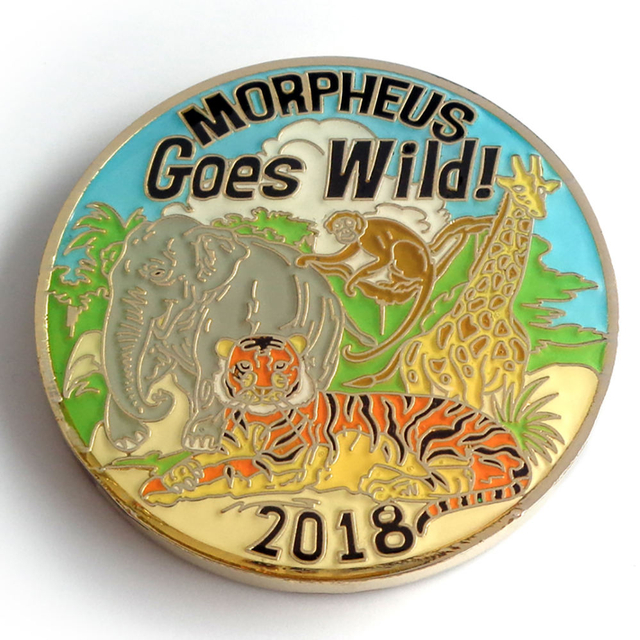
Pop culture conventions and retail brands frequently rely on custom pins as collectible merchandise. Anime enamel pins require vibrant colors and sharp borders to accurately represent character designs. The manufacturing process involves stamping a design into metal to create raised lines, then filling the recessed areas with colored paint.
When creating lapel pins, you must choose between soft and hard enamel. Soft enamel pins feature textured surfaces because the paint sits slightly below the raised metal borders. These pins are highly popular and budget-friendly. Hard enamel pins involve overfilling the recessed areas with paint and polishing the surface completely flat. Hard enamel provides a smooth, jewelry-like finish. Choose soft enamel for vibrant, textured promotional items, and select hard enamel for premium retail merchandise.
When you customize medals, you control every aspect of the physical product. You can specify the exact dimensions, plating color, and ribbon attachment style. A medal custom order requires a clear understanding of these structural specifications.
Below is a table outlining the standard specifications offered by top manufacturers for custom award medals:
Specification Category | Available Options |
|---|---|
Material Types | Brass, Copper, Zinc Alloy, Iron, Aluminum |
Thickness Levels | 2mm, 2.5mm, 3mm, 3.5mm, 4mm, 5mm, 6mm |
Plating Finishes | Shiny Gold, Silver, Nickel, Antique Copper, Two-Tone |
Paint Styles | Soft Enamel, Imitation Hard Enamel, Poly Enamel |
Packaging | Poly bag, Bubble bag, Velvet box, Plastic box |
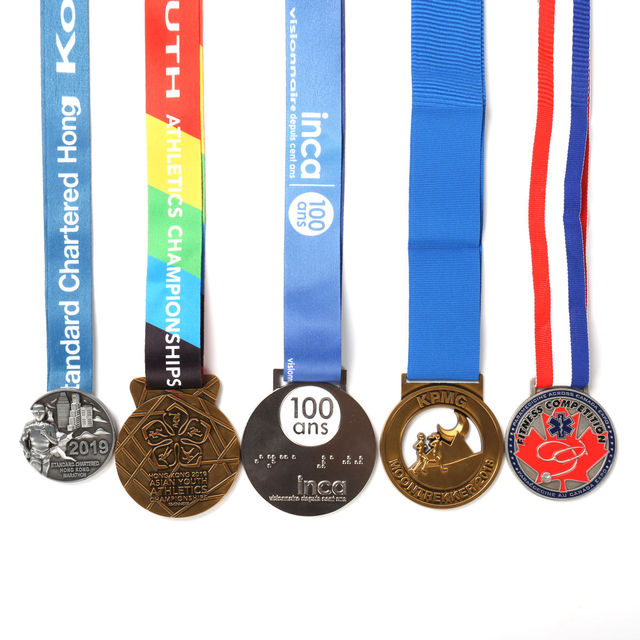
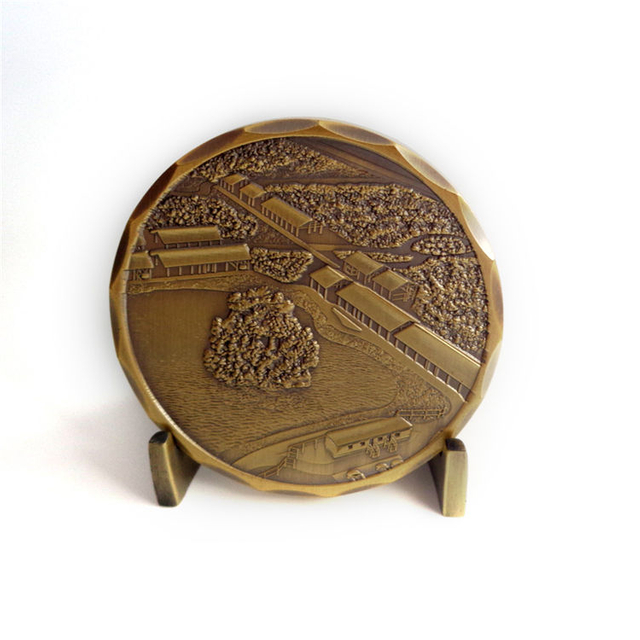
Athletic events require durable and visually striking awards. Custom sports medals often feature dynamic 3D elements, such as mountain bikes, running shoes, or martial arts figures. To design effective custom 5k medals, start by determining the size and shape. Most race organizers choose a thickness between 3mm and 4mm to ensure the medal feels substantial after a long race.
Next, select a plating color that aligns with your branding. Shiny finishes reflect light beautifully, while antique finishes highlight fine 3D details. Finally, pair your custom running medals with custom printed lanyards or ribbons. The ribbon provides an additional canvas for event logos, sponsor names, and dates.
Creating bespoke awards transforms standard events into memorable experiences. By understanding the differences in metals, enamels, and plating options, you can design products that truly resonate with your audience. Start planning your design early, consult with reputable manufacturers to request physical samples, and lock in your specifications to ensure a flawless production run.
Most manufacturers require 5 to 7 days to produce an initial sample after artwork approval. Mass production for custom award medals typically takes an additional 12 to 25 days, depending on the order quantity and design complexity.
The standard minimum thickness for custom made medals is 2mm. However, you can request thicknesses up to 6mm for a heavier, more premium feel.
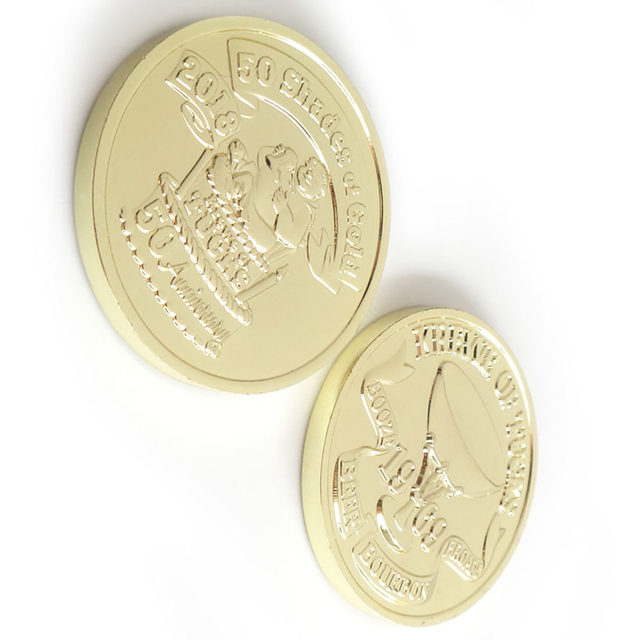
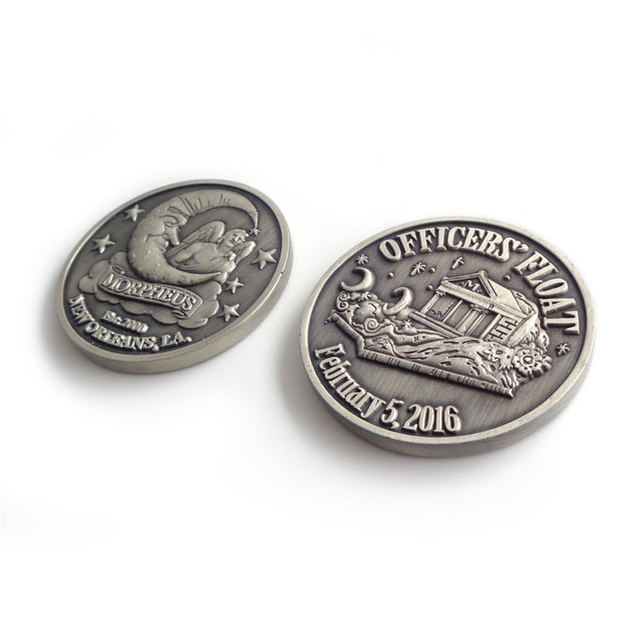
Yes. Manufacturers use die-casting processes with materials like zinc alloy to create highly detailed 3D elements on custom sports medals and commemorative coins.