


Views: 0 Author: Site Editor Publish Time: 2026-09-09 Origin: Site


A reliable challenge coin manufacturer should offer flexible design options, a range of metals and finishes, no minimum order quantity, and clear production timelines. Manufacturers like Hugoway produce custom metal challenge coins using die struck or die casting processes, with sample turnaround in 7–10 days and full production in 12–20 days after approval.
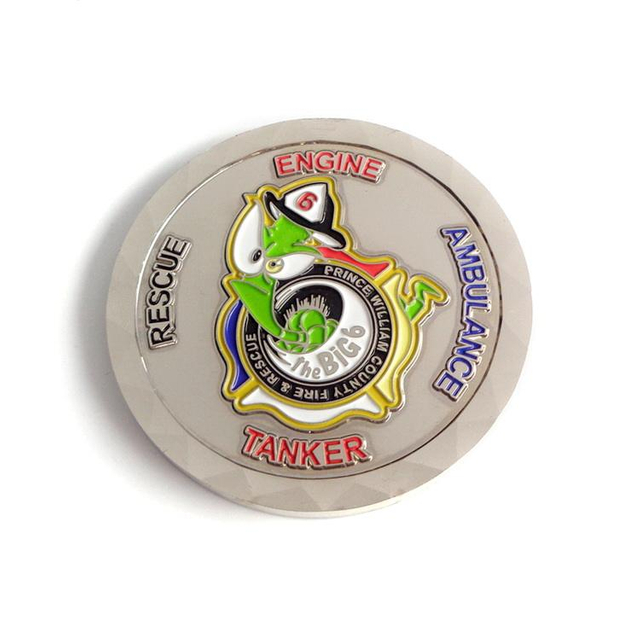
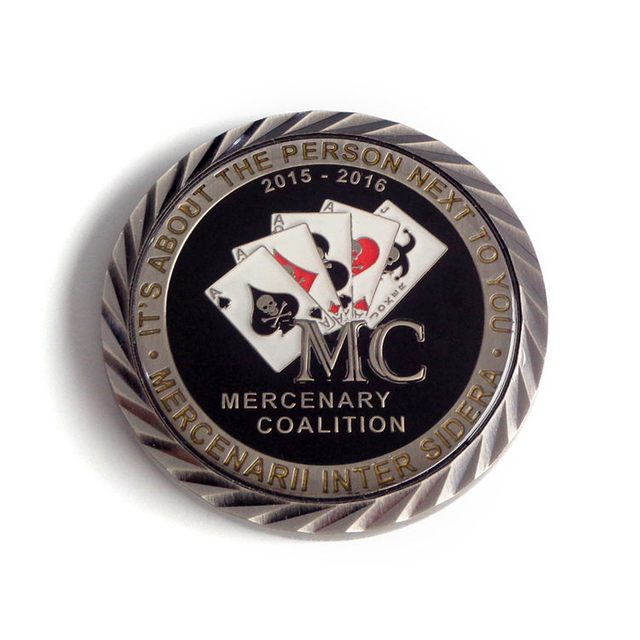
Challenge coins have come a long way from their military origins. What started as a way to identify unit membership and mark achievements has grown into a widely used tool across law enforcement, first responders, sports teams, corporate offices, and hobbyist collectors. The appeal hasn't faded because the format works: a small metal disc, dense with symbolism, that fits in a pocket but carries real weight.
If you're planning to order custom challenge coins for your organization, the manufacturer you choose determines almost everything about the final product — the durability of the metal, the sharpness of the design, and how closely the finished coin matches what you imagined. This guide breaks down what to look for in a challenge coin manufacturer, how the manufacturing process works, and why sourcing from China has become the standard for custom orders worldwide.
A challenge coin manufacturer takes a design concept — whether that's a sketch, a logo, or a rough idea — and turns it into a physical, finished coin. This involves several stages: converting artwork into a mold, striking or casting the metal, applying plating and color, and finishing with packaging.
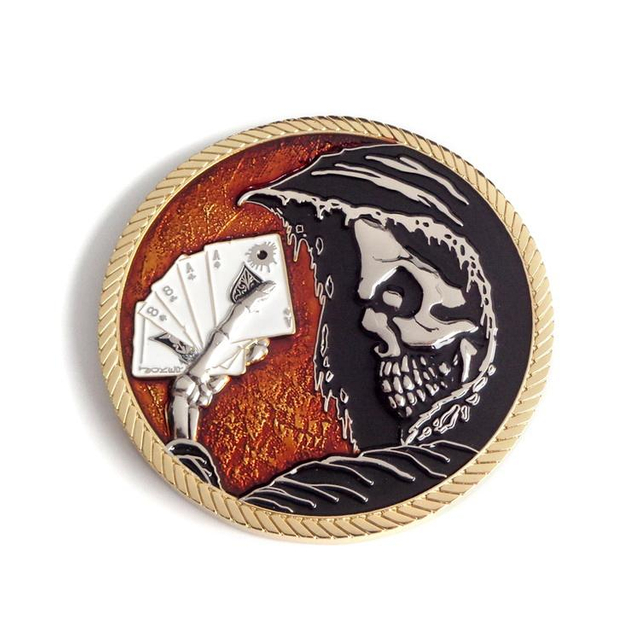
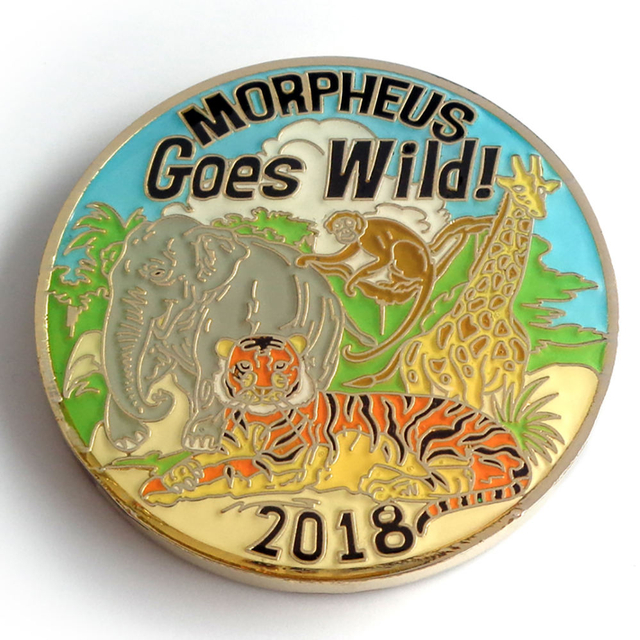
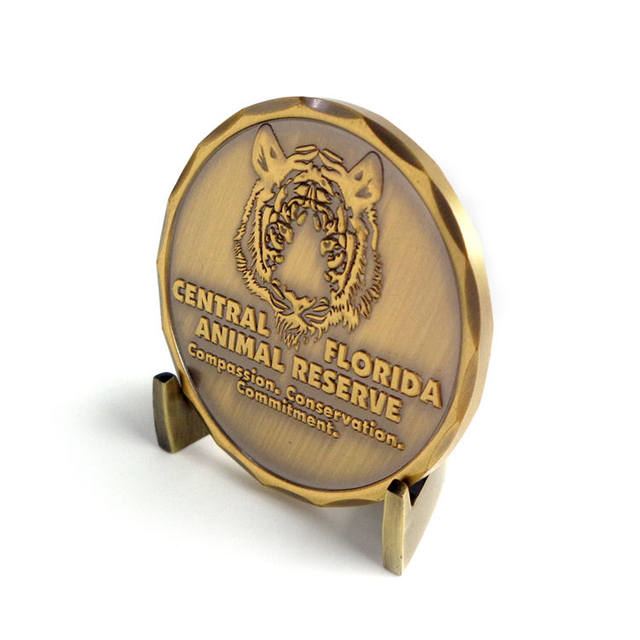
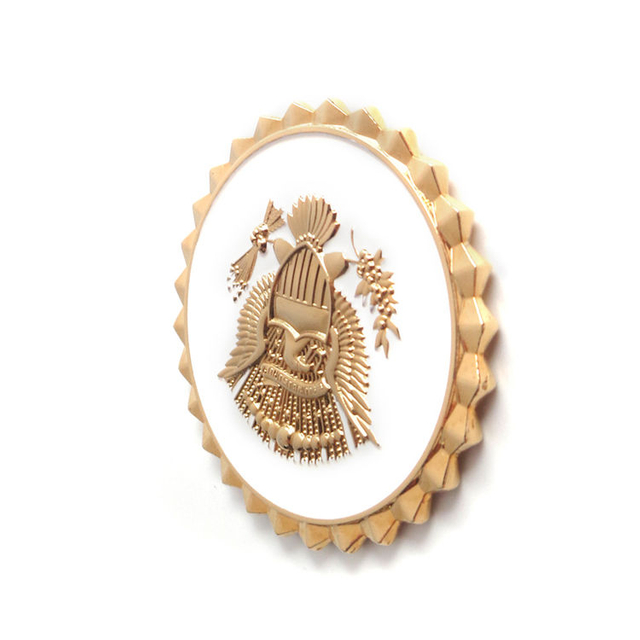
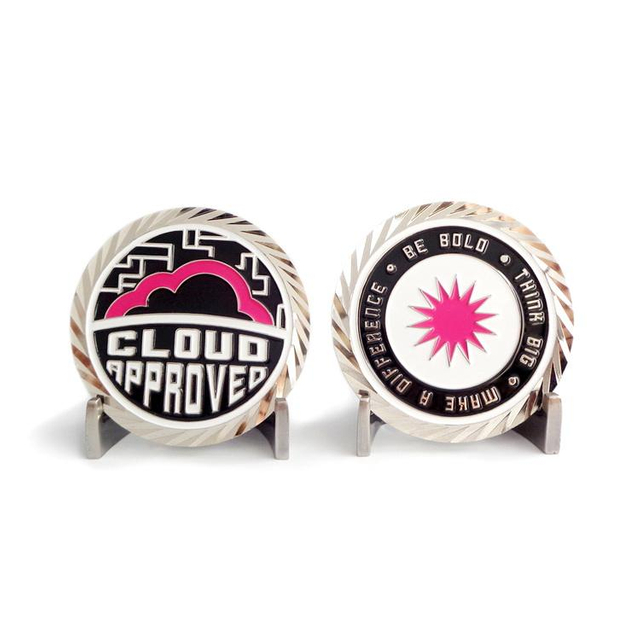
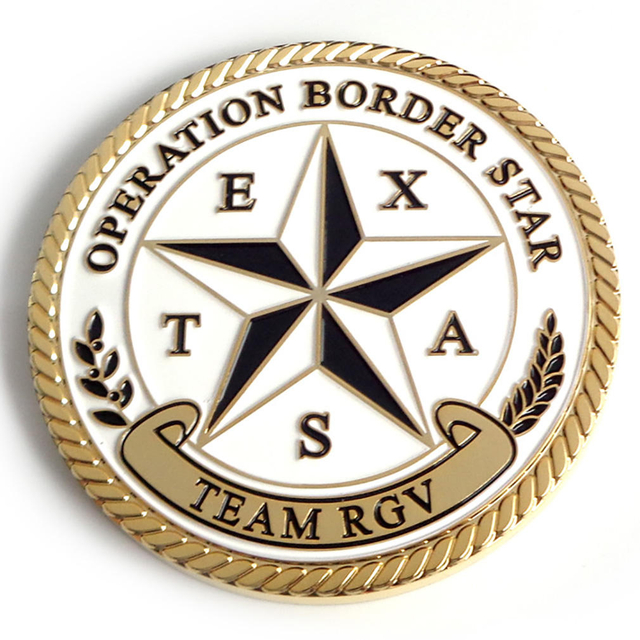
Most manufacturers offer either 2D or 3D coin designs. A 2D coin is flat with a raised or engraved surface pattern, while a 3D coin has varying depth across the design, giving it a sculptural quality. The choice affects both cost and production time, so it's worth clarifying with your manufacturer early in the process.
Metal challenge coins are typically produced using one of two processes: die struck or die casting.
Die struck coins are made by pressing metal between two hardened dies under intense pressure. This method produces sharp, precise detail and is common for coins with fine engraving.
Die casting involves pouring molten metal into a mold. It's often used for more complex 3D designs where depth and dimension matter more than fine line detail.
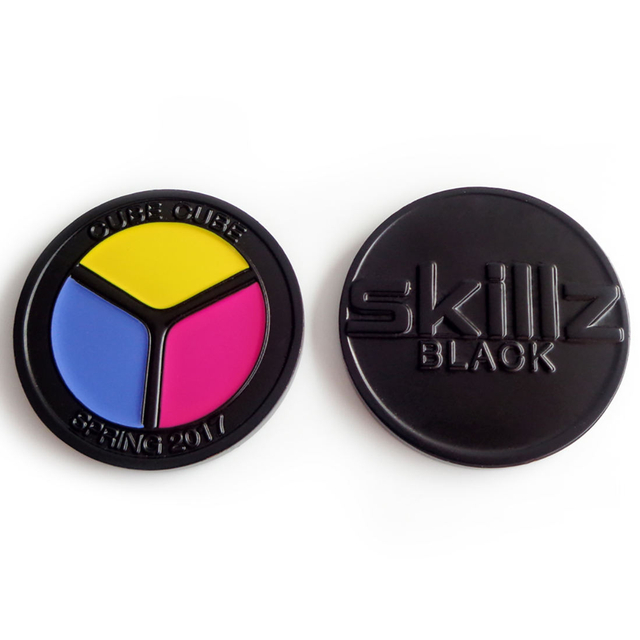
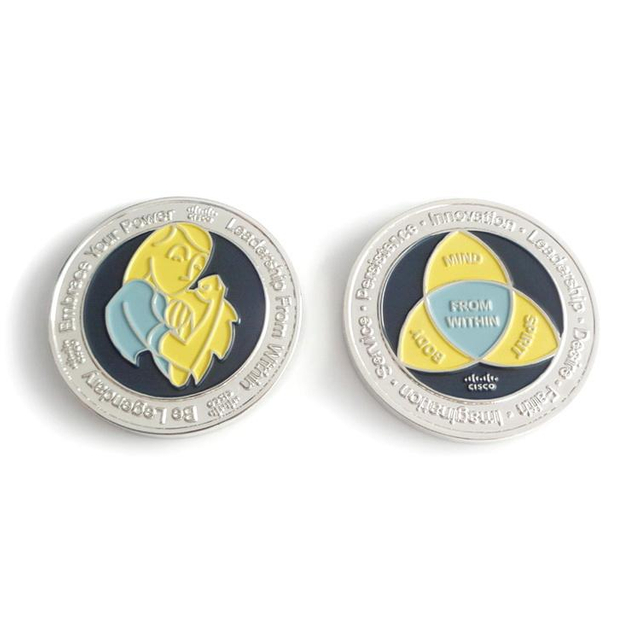
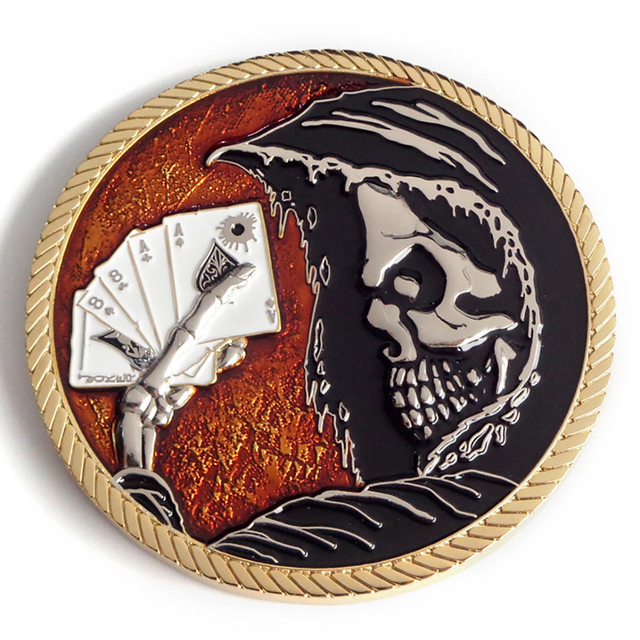
After the base coin is formed, it goes through plating (gold, silver, nickel, copper, or antique finishes) and painting, using soft enamel, imitation hard enamel, or poly enamel to add color. Some coins also include an epoxy coating for a glossy, protective finish.
Making custom challenge coins usually follows a predictable sequence: submit your design, receive a digital proof, approve a physical sample, then move to full production. Below is a general breakdown of what this process looks like based on standard industry specifications.
Specification |
Typical Range |
|---|---|
Size |
1.5" to 3" (custom sizes available) |
Thickness |
2mm to 6mm |
Material |
Brass, copper, zinc alloy, iron, aluminum |
Finish |
Shiny (gold/silver/nickel/copper/brass) or antique |
Coloring |
Soft enamel, imitation hard enamel, poly enamel |
Minimum Order Quantity |
Often none required |
Sample Time |
7 days for 2D design, 10 days for 3D design |
Production Time |
12–20 days after sample approval |
Packaging |
Poly bag, PVC pouch, velvet pouch, or plastic box |
Knowing these benchmarks in advance helps you evaluate quotes and timelines from different manufacturers, and it gives you a way to spot outliers — if a quoted lead time is drastically shorter or longer than this range, it's worth asking why.

China has become the manufacturing hub for custom challenge coins for a few clear reasons: established metalworking infrastructure, competitive pricing, and manufacturers who specialize specifically in coins, pins, and medals rather than general metal goods.
Factories based in regions like Guangdong province often have decades of combined experience producing coins for military units, government agencies, and corporate clients across the globe. This specialization means faster turnaround on complex designs and more consistent quality control, since the entire production line — from mold-making to plating to packaging — is built around this one product category.
Shipping is also more manageable than buyers might expect. Most manufacturers offer air freight through DHL, FedEx, or UPS for smaller or time-sensitive orders, and sea freight from ports like Shenzhen or Hong Kong for larger bulk orders.
Choose a manufacturer with no minimum order quantity if you're ordering a small batch for a single event or team — this avoids overpaying for coins you won't use. Choose a manufacturer with strong 3D design capabilities if your coin design involves raised text, layered elements, or intricate sculptural detail, since not every factory handles complex molds equally well.
A few other factors worth confirming before placing an order:
Free design services. Many manufacturers, including Hugoway, offer free design assistance to help translate your concept into a production-ready file at no extra charge.
Sample approval process. Always request a physical sample before committing to full production. This is your opportunity to catch color mismatches, sizing issues, or design flaws before they're replicated across an entire batch.
Packaging options. If the coins are gifts or awards, packaging matters. Options like velvet pouches or branded coin boxes elevate the presentation significantly compared to a basic poly bag.
Payment flexibility. Reputable manufacturers typically support T/T, Western Union, Alipay, and PayPal, giving buyers multiple ways to pay securely.
The best results come from being specific early. Provide your manufacturer with clear artwork, your preferred metal and finish, and your target quantity upfront, and ask for a physical sample before greenlighting full production. Coins are a small investment individually, but a design flaw multiplied across hundreds or thousands of units becomes an expensive mistake.
Whether you're commemorating a military unit, rewarding a sales team, or building a collectible line for hobbyists, the manufacturing process is straightforward once you know what to ask for. Focus on clear communication, request a sample, and confirm timelines in writing before production begins.
How long does it take to manufacture custom challenge coins?
Sample production typically takes 7 days for 2D designs and 10 days for 3D designs after artwork is confirmed. Full production then takes an additional 12–20 days after the sample is approved.
Is there a minimum order quantity for custom challenge coins?
Many challenge coin manufacturers, including Hugoway, do not require a minimum order quantity, making it possible to order small batches for individual events or teams.
What metals are used to make challenge coins?
Common materials include brass, copper, zinc alloy, iron, and aluminum, each offering different weight, durability, and cost profiles.
What's the difference between die struck and die casting?
Die struck coins are pressed between two dies for sharp, precise detail, while die casting pours molten metal into a mold, which better suits complex 3D designs.
How are custom challenge coins shipped internationally?
Smaller or time-sensitive orders typically ship by air through carriers like DHL, FedEx, or UPS, while larger bulk orders are often shipped by sea from ports such as Shenzhen or Hong Kong.