
Views: 0 Author: Site Editor Publish Time: 2026-09-08 Origin: Site


Custom medals are personalized awards manufactured in metals like zinc alloy, brass, or iron, featuring die-struck or die-cast designs with finishes such as gold, silver, or antique plating. They're used for races, sports leagues, and corporate recognition programs. Pricing depends on size, material, plating, and enamel detail, and most manufacturers offer no minimum order quantities with 2-3 week production timelines.
Handing someone a certificate is fine. Handing someone a medal is memorable. There's a reason marathon finishers hang their race medals on the wall years after the event, and why Little League teams still talk about the trophies they earned decades ago. A well-made medal turns a moment into a keepsake.
But not all medals are created equal. The difference between a medal that ends up in a drawer and one that ends up on a mantel often comes down to material choice, finish, and design details that most buyers never think to ask about. This guide breaks down everything you need to know before ordering custom medals — whether you're outfitting a 5k, recognizing employees, or supplying awards for a youth sports league.
Custom medals are typically manufactured from one of several base metals, each offering a different balance of cost, weight, and durability:
Zinc alloy — the most common choice for custom sports medals, offering good detail and a lower price point
Brass — heavier and more premium-feeling, often used for custom award medals meant to last
Iron — a budget-friendly option for large orders
Copper — used less frequently, but valued for its warm tone in antique finishes
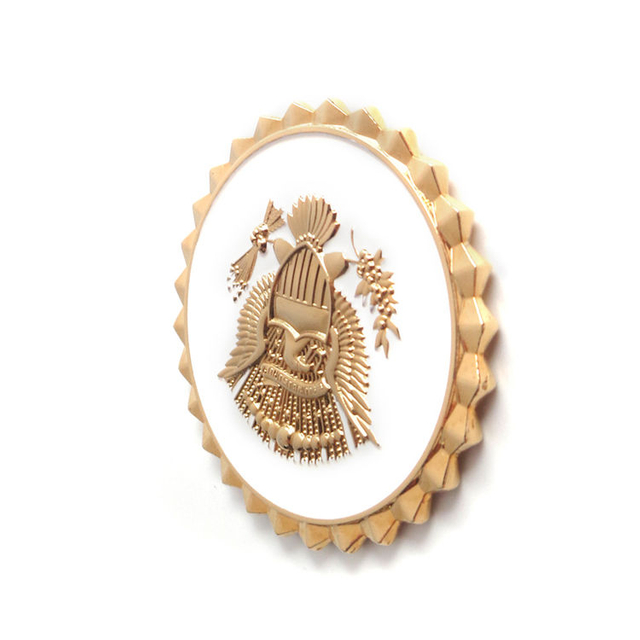
The metal is shaped using one of two processes: die struck or die casting. Die struck medals are pressed from a mold under high pressure, producing crisp, raised detail that's ideal for logos and text. Die casting involves pouring molten metal into a mold, which works well for more intricate 3D designs.
The plating is what gives a medal its signature look, and it's often the single biggest factor separating cheap custom medals from ones that feel genuinely premium.
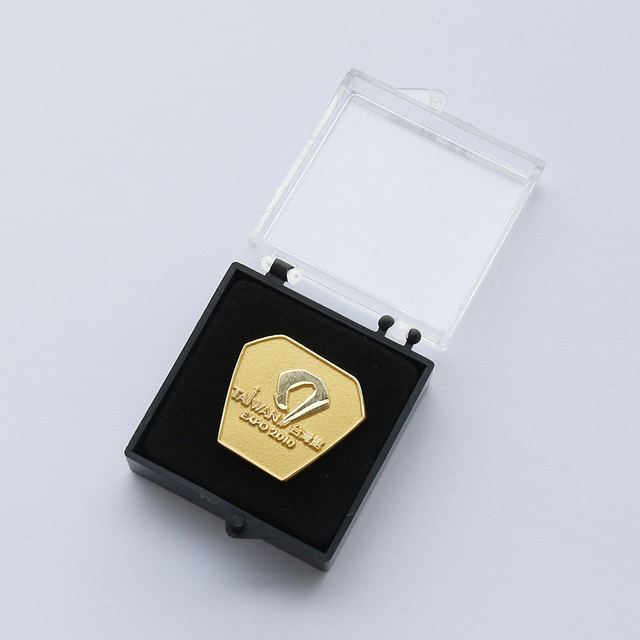
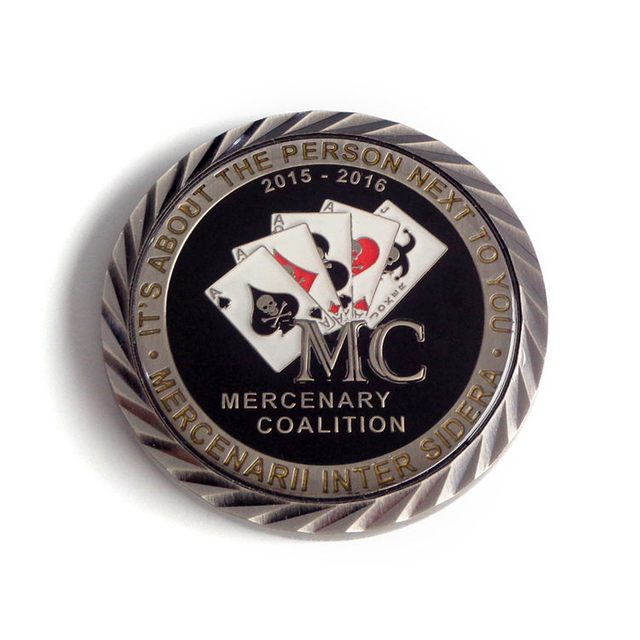
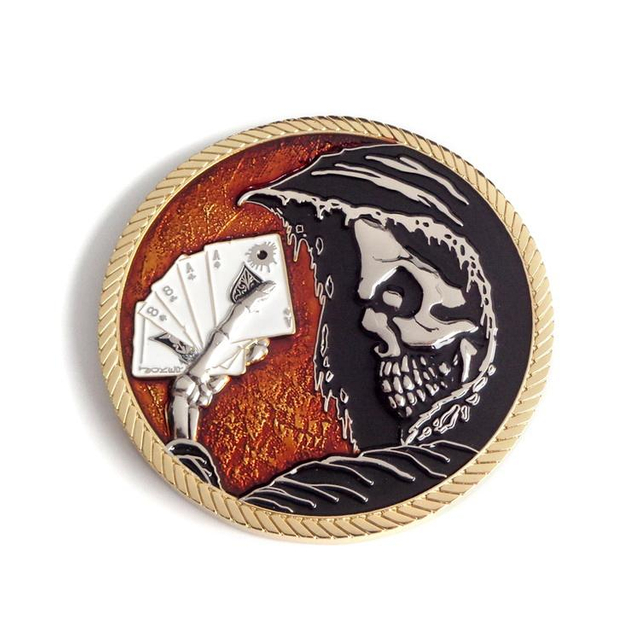
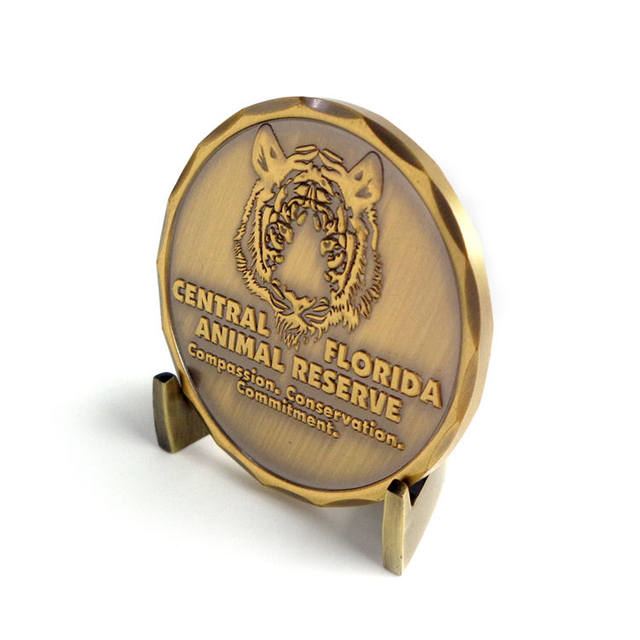
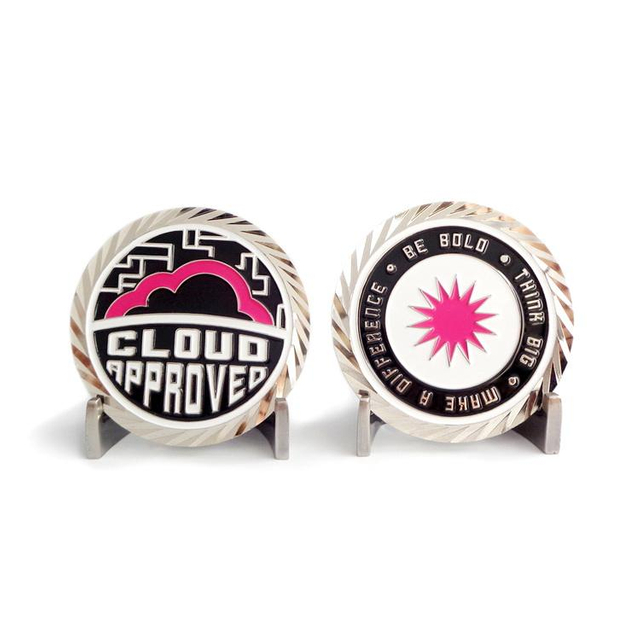
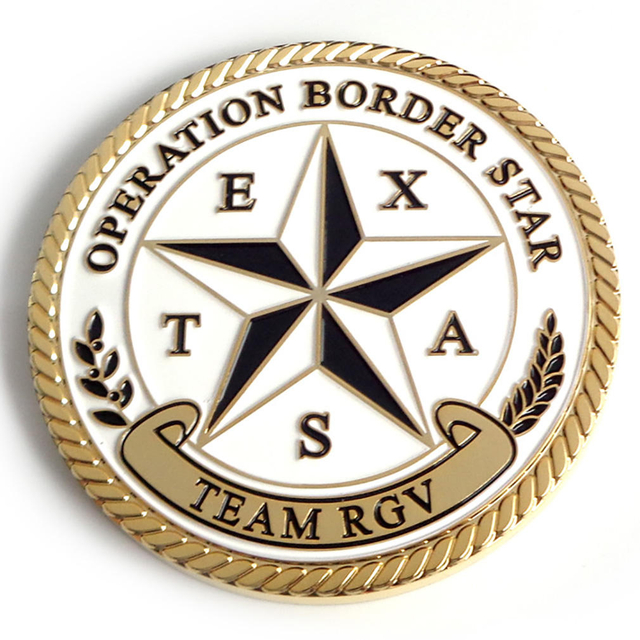
Shiny finishes — gold, silver, nickel, copper, and brass — give medals a polished, reflective look that works well for first-place awards. Antique finishes, on the other hand, apply an aged patina over gold, silver, copper, or brass, creating a more traditional, weighted appearance often seen in military or heritage-style awards.
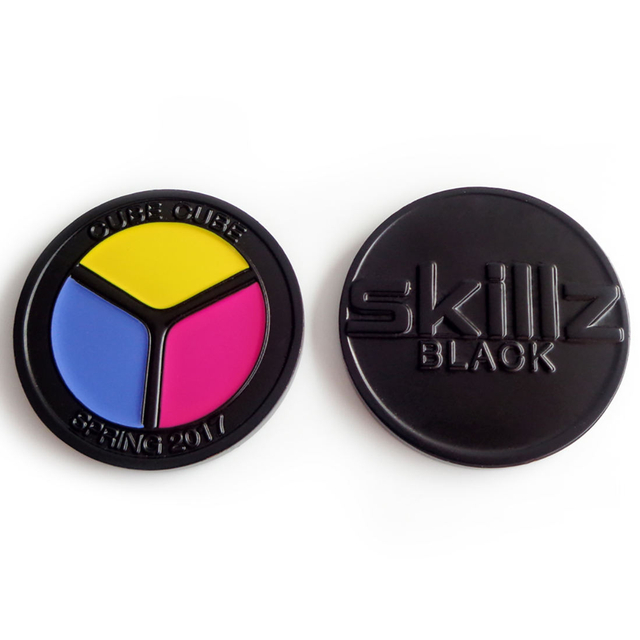
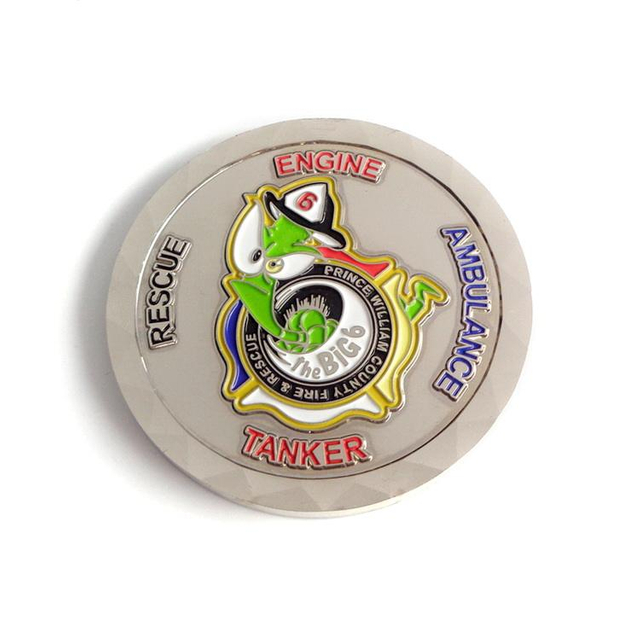
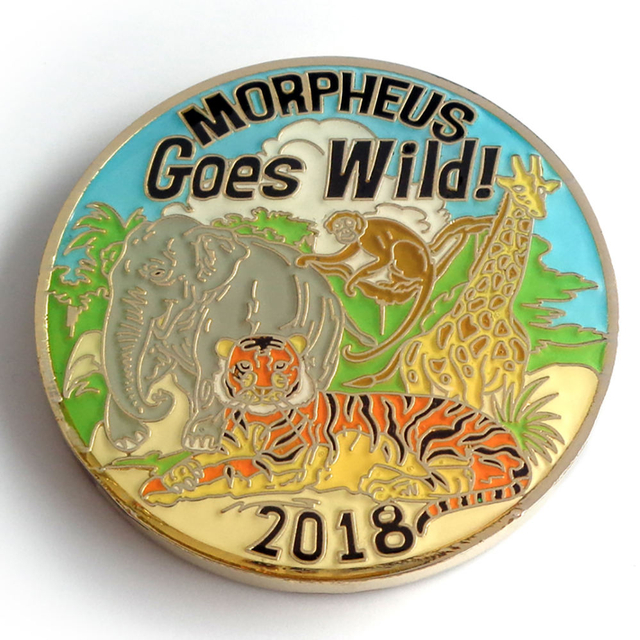
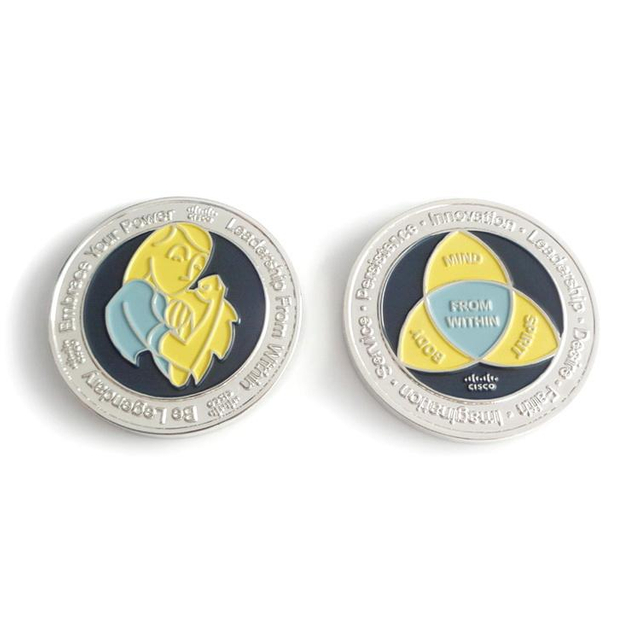
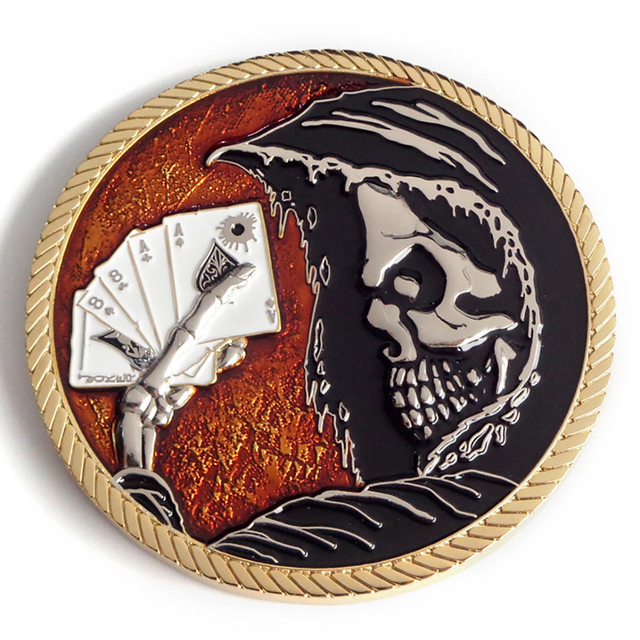
Color is added through enamel work, using soft enamel, imitation hard enamel, or poly enamel, depending on the level of detail and budget. Some medals also include an epoxy coating, which adds a glossy dome finish over the design for extra durability and shine.
Custom running medals and custom 5k medals typically range from 1.5 inches to 3 inches in diameter, though manufacturers can produce custom sizes on request. Thickness generally falls between 2mm and 6mm — thicker medals feel more substantial in the hand, which matters for race organizers trying to make an impression on finishers.
Attribute | Common Options |
|---|---|
Size | 1.5", 1.75", 2", 2.25", 2.5", 3" (custom sizes available) |
Thickness | 2mm, 2.5mm, 3mm, 3.5mm, 4mm, 5mm, 6mm |
Material | Brass, copper, zinc alloy, iron, aluminum |
Process | Die struck or die casting |
Plating | Shiny (gold, silver, nickel, copper, brass) or antique finish |
Enamel Type | Soft enamel, imitation hard enamel, poly enamel |
Packaging | Poly bag, PVC pouch, OPP bag, plastic box, velvet pouch |
Minimum Order | Typically no minimum required |
Turnaround time is one of the most common concerns for event organizers working against a race date or ceremony deadline. Here's a general production timeline:
Design confirmation — a 2D design mockup typically takes about 7 days to finalize; a 3D design takes closer to 10 days
Sample production — once the artwork is approved, a physical sample is produced for final sign-off
Bulk production — after the sample is approved, full production usually takes 12 to 20 days
Shipping — orders are shipped by air (DHL, FedEx, UPS) for speed, or by sea for larger, less time-sensitive orders
Choose air shipping if your event date is fixed and time is tight. Choose sea freight if you're ordering well in advance and want to reduce shipping costs on a bulk order of custom medal awards.
Not necessarily. Many manufacturers now offer no minimum order quantity (MOQ), which is good news for smaller events, single teams, or businesses ordering a limited batch of custom award medals for the first time. That said, per-unit pricing usually drops significantly at higher volumes, so it's worth calculating your total headcount before finalizing an order — a school ordering 50 medals will pay considerably more per unit than a marathon ordering 5,000.
If budget is the priority, a few decisions make the biggest difference in the final price:
Choose zinc alloy or iron over brass or copper for the base material
Stick to a shiny finish rather than antique plating, which involves an extra treatment step
Limit enamel colors or skip epoxy coating if a glossier look isn't essential
Order in bulk where possible, since per-unit costs drop as quantity increases
Simplify the design — intricate 3D detail costs more to mold and cast than a flat, die-struck design
None of these shortcuts mean sacrificing quality. A well-designed medal in zinc alloy with a clean shiny gold finish can still look impressive at a fraction of the cost of a heavily detailed antique brass piece.
Not every occasion calls for the same medal. Choose a shiny gold or silver finish if you want a bold, celebratory look for a first-place custom race medal. Choose an antique finish if you're going for a more traditional, heritage feel for a long-running annual event. And if you're ordering custom sports medals for a youth league, a mid-weight zinc alloy medal with soft enamel color typically hits the right balance between durability, appearance, and cost.
The process for ordering customized medals generally follows the same path regardless of the manufacturer: submit your design (or work with their team to create one), approve a digital mockup, sign off on a physical sample, then move into full production. Most reputable manufacturers will walk you through each stage before committing to a bulk order, so there's no reason to finalize a design you haven't seen in physical form first.
Before placing an order, request a sample, confirm the material and plating match what you expect, and double-check the turnaround time against your event date. A little diligence upfront ensures the medals your recipients receive are ones they'll actually want to keep.

What's the difference between die struck and die cast medals?
Die struck medals are pressed from metal under high pressure, resulting in crisp, raised detail best suited for logos and text. Die cast medals are formed by pouring molten metal into a mold, which allows for more intricate three-dimensional designs.
How much do custom medals typically cost?
Cost depends on material, size, finish, and order volume. Zinc alloy medals with a shiny finish and minimal enamel work are the most affordable option, while brass medals with antique plating and epoxy coating cost more.
Is there a minimum order quantity for custom medals?
Many manufacturers offer no minimum order quantity, making it possible to order small batches for a single team or event without paying a bulk-order premium.
How long does it take to receive custom medals?
After artwork approval, sample production takes 7 to 10 days depending on whether it's a 2D or 3D design. Once the sample is approved, bulk production typically takes 12 to 20 days, plus shipping time.
What's the best way to keep costs low on a large medal order?
Choose zinc alloy or iron as the base metal, opt for a shiny rather than antique finish, limit enamel colors, and order in bulk to reduce the per-unit price.