
Views: 0 Author: Site Editor Publish Time: 2026-09-17 Origin: Site


Custom medals are personalized awards made from metals like zinc alloy, brass, or iron, designed through die casting or die striking to reflect a specific event, team, or achievement. They're used for races, sports leagues, graduations, and corporate recognition programs. A reliable custom medal maker will offer material options, plating finishes, enamel coloring, and ribbon customization, typically with a production timeline of 20-25 days after sample approval.
Recognition matters. Whether you're organizing a marathon, running a youth sports league, or planning a graduation ceremony, the award you hand out is often the only physical reminder of that achievement. A trophy gathers dust on a shelf, but a medal gets worn, photographed, and shown off. That's why custom medals have become the go-to choice for event organizers, schools, and businesses looking to create something meaningful.
This guide breaks down everything you need to know about custom medal awards — from the materials and processes involved to how to choose the right custom medal maker for your project. We'll also touch on related items like custom lapel pins, since many organizations order both together for cohesive branding across events.
Off-the-shelf medals get the job done, but they rarely capture the spirit of an event. Customized medals let you incorporate your logo, event name, date, and even the specific discipline being recognized, whether that's a 10K race, a judo tournament, or a weightlifting competition.
There's also a psychological component worth noting. Participants remember tangible recognition far more than generic certificates. A well-designed medal reinforces brand identity for sponsors and event organizers while giving recipients a keepsake they'll actually want to display.
Custom medal production involves several decisions that affect appearance, durability, and cost. Understanding these choices upfront helps you communicate clearly with your manufacturer and avoid surprises during production.
Most award medals custom-made for sports or corporate events use brass, copper, zinc alloy, or iron as a base metal, with aluminum sometimes used for lighter-weight designs. Thickness typically ranges from 2mm to 6mm, depending on the level of detail in the design. A thicker medal with a 3D relief design (like a kettlebell or judo figure) generally requires 3mm or higher to hold its shape properly.
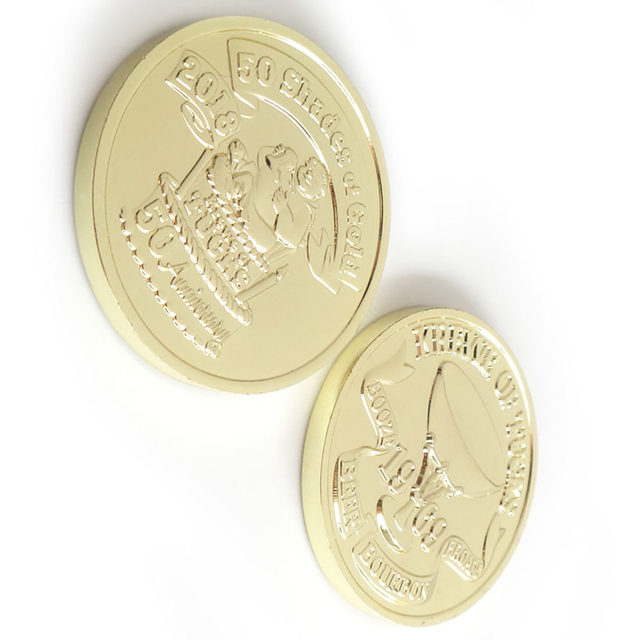
Die Struck: Metal is stamped under high pressure, creating crisp, raised detail. Ideal for classic, textured designs.
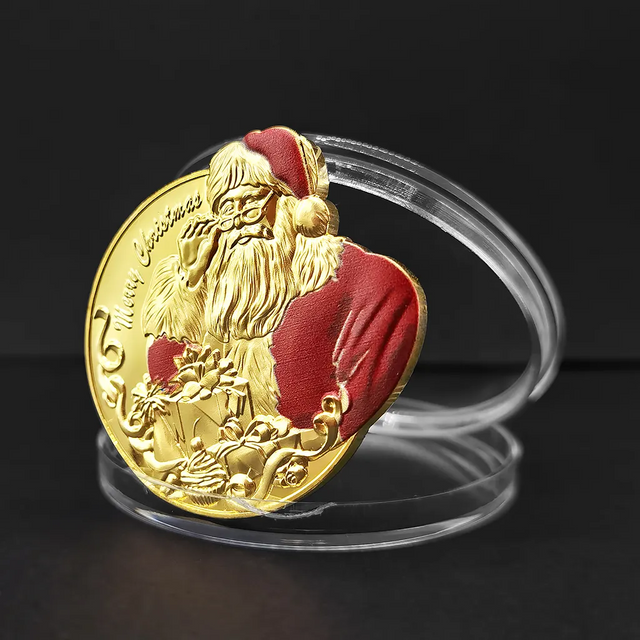
Die Casting: Molten metal is poured into a mold, allowing for more intricate 3D shapes — think weightlifting kettlebells, dragons, or sport-specific silhouettes.
Printing: Used for full-color designs or photographic detail that die striking can't achieve.
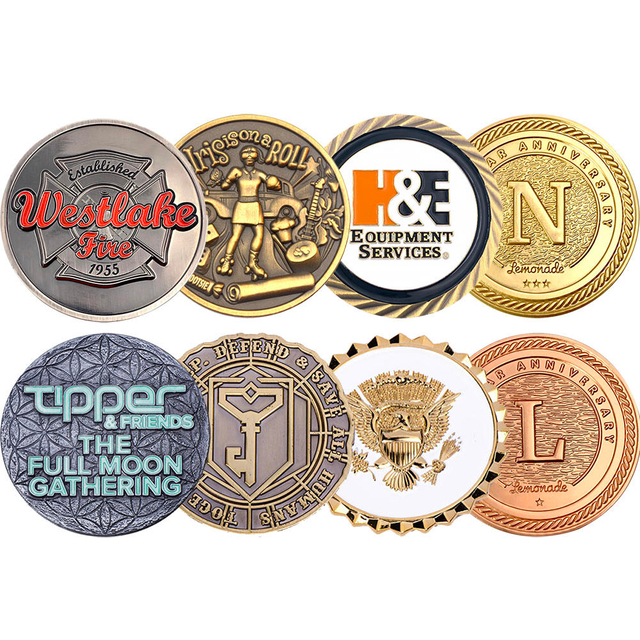
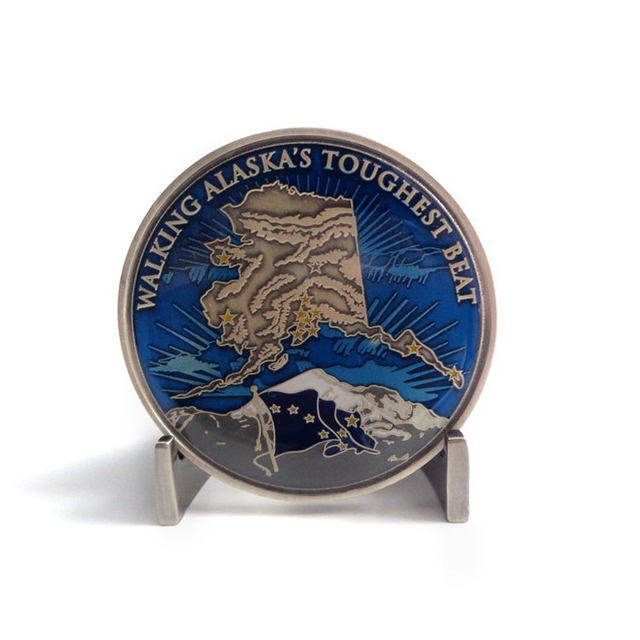
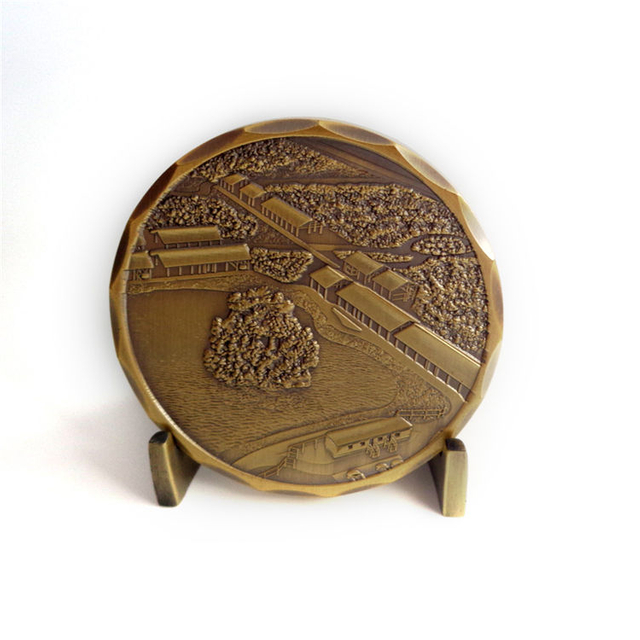
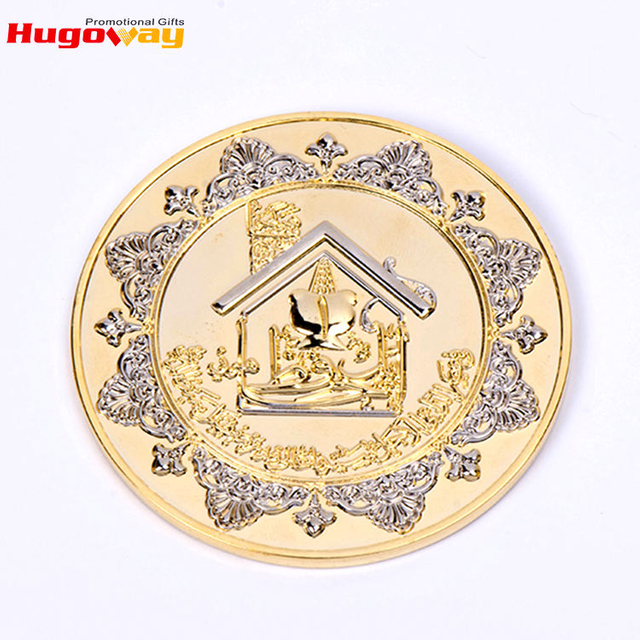
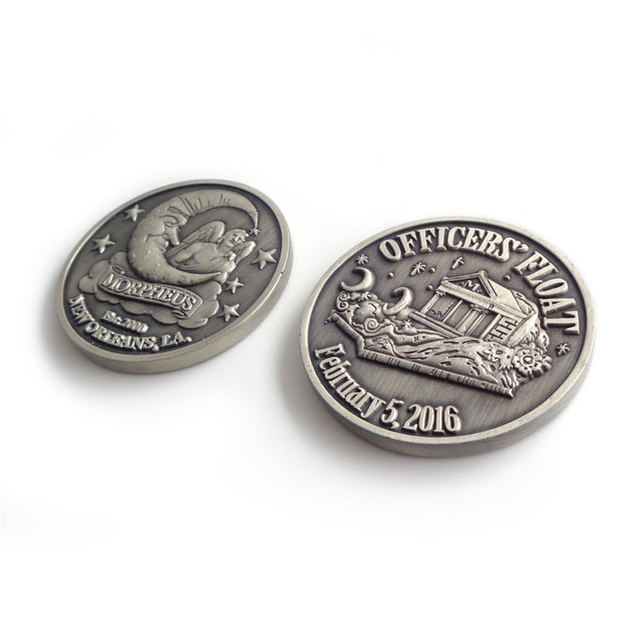
Choose a shiny finish (gold, silver, nickel, copper, or brass) for a polished, modern look, or an antique finish for a vintage, weighted feel. Two-tone antique finishes are popular for wrestling, marathon, and graduation medals because they add visual depth without extra cost.
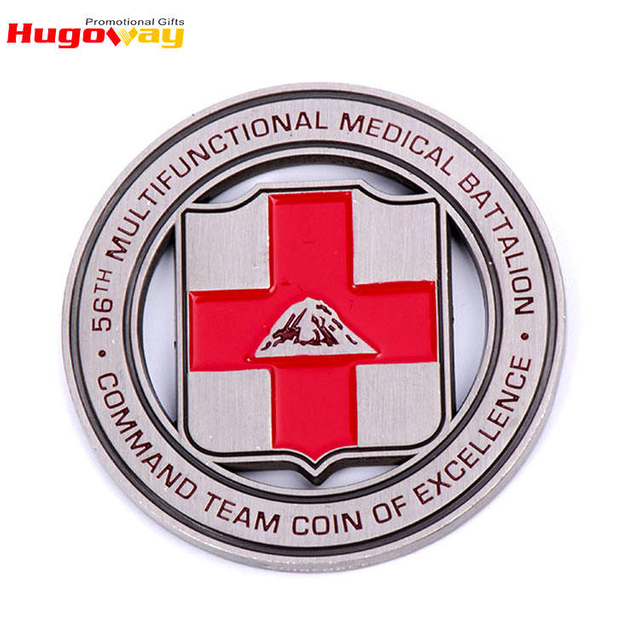
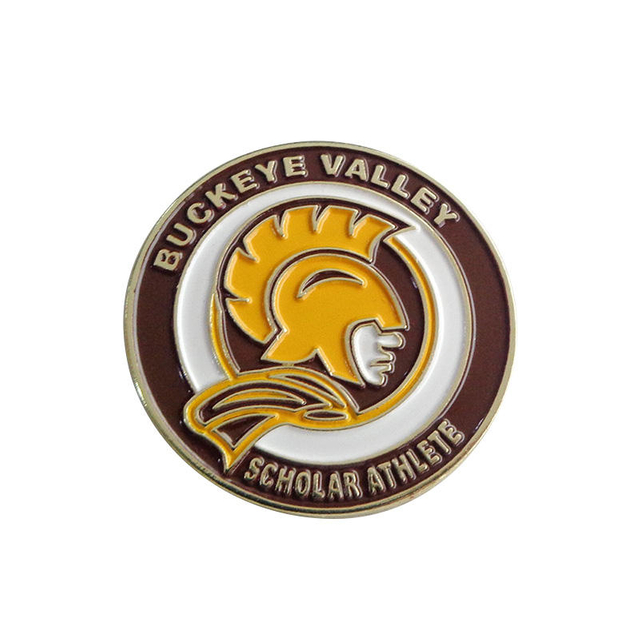
Enamel medals use soft enamel, imitation hard enamel, or poly enamel fills to add vibrant color to a design. Soft enamel gives a slightly textured, hand-finished look, while poly enamel creates a smooth, glossy surface similar to hard enamel but at a lower cost. If your medal design includes a team color scheme or multi-color logo, enamel medals are worth the modest upcharge.
Here's a snapshot of common specs offered by manufacturers producing custom medals for awards, races, and competitions:
Specification | Common Options |
|---|---|
Material | Brass, copper, zinc alloy, iron, aluminum |
Thickness | 2mm, 2.5mm, 3mm, 3.5mm, 4mm, 5mm, 6mm |
Process | Die struck, die casting, printing |
Plating (Shiny) | Gold, silver, nickel, copper, brass |
Plating (Antique) | Gold, silver, copper, brass, two-tone |
Coloring | Soft enamel, imitation hard enamel, poly enamel |
Packaging | Poly bag, bubble bag, plastic box, velvet bag or box |
Sample Time | 5 days (2D design) / 7 days (3D design) after artwork confirmation |
Production Lead Time | 12–20 days after sample confirmation |
Total Delivery Time | 20–25 days for minimum order quantity, after sample approval |
Knowing these figures ahead of time makes it easier to plan your event timeline. If you're ordering race medals custom-made for a marathon six weeks out, for example, you'll want to lock in your artwork and sample approval within the first two weeks to leave enough buffer for production and shipping.

Not all manufacturers offer the same level of service. When evaluating a custom medal maker, consider the following:
Choose a manufacturer with strong sampling options if your design includes complex 3D elements or specific color matching — a physical sample confirms accuracy before bulk production begins.
Choose a manufacturer with fast turnaround if you're working against a tight event deadline — some suppliers can complete 2D sample designs in as little as five days after artwork approval.
Choose a manufacturer with in-house plating and enamel work if you want tighter quality control and fewer third-party handoffs, which can reduce delays and inconsistencies.
Look for suppliers who provide clear documentation on materials, plating, and painting options, similar to what's outlined in the specification table above. This transparency is a good indicator of manufacturing experience and reliability.
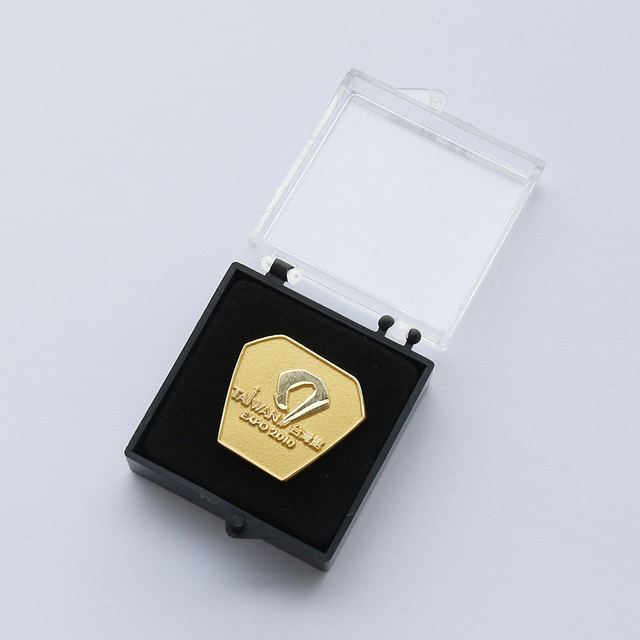
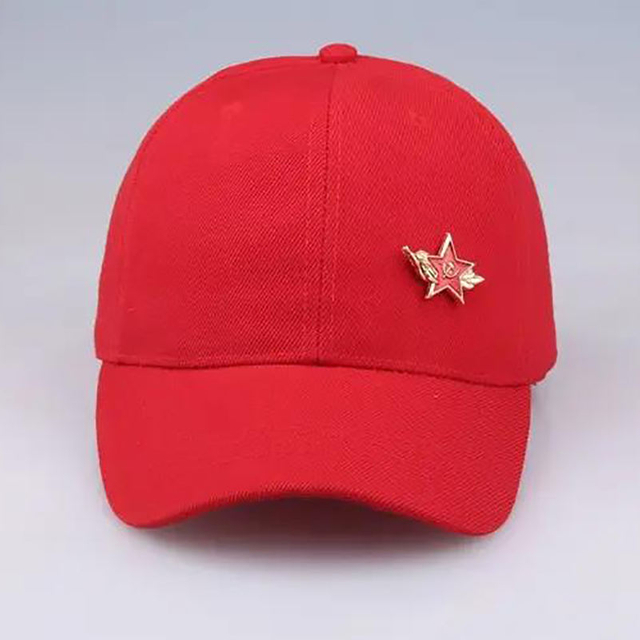
Many organizations order custom lapel pins alongside their medals to extend recognition beyond the podium. Lapel pins custom-designed with an event logo work well for volunteers, staff, and sponsors who may not receive a medal but still deserve visible recognition. Since lapel pins custom orders often use similar plating and enamel processes as medals, ordering both from the same manufacturer can streamline production and keep design elements consistent across your event.
Customized medals aren't limited to marathons and races. Popular use cases include:
Sports leagues and tournaments: Wrestling, judo, soccer, and weightlifting competitions
Academic recognition: Graduation ceremonies and honor society inductions
Corporate events: Employee recognition, sales milestones, and company anniversaries
Community events: Charity walks, fun runs, and volunteer appreciation
Each application benefits from a design tailored to its specific audience. A graduation medal, for instance, might favor a classic antique gold finish, while a youth soccer league might lean toward bright enamel colors that appeal to kids.
Designing custom medals for awards doesn't have to be complicated once you understand the key decisions: material, process, plating, and color. Start by sketching your concept or gathering reference images, then reach out to a manufacturer who can walk you through sample timelines and pricing based on your specifications.
If you're planning an event with a tight deadline, request 2D sample turnaround times upfront and confirm your artwork early. The extra planning pays off when you're handing out medals that participants will proudly wear for years to come.
How much do custom medals typically cost?
Pricing varies based on material, thickness, plating, and order quantity. Zinc alloy and iron medals tend to be more budget-friendly, while brass or copper with detailed enamel work costs more. Requesting a quote based on your specific design and quantity is the most accurate way to budget.
How long does it take to receive custom medals for awards?
Most manufacturers require 5-7 days for sample creation after artwork confirmation, followed by 12-20 days for production and 20-25 days total delivery time for minimum order quantities, depending on shipping method.
Can I order a small quantity of custom medals?
Many custom medal makers offer no-minimum or low-minimum order options, though pricing per unit is typically lower at higher quantities. Confirm minimum order requirements directly with your chosen supplier.
What's the difference between enamel medals and printed medals?
Enamel medals use colored enamel fills (soft, imitation hard, or poly) within recessed areas of a die-struck design, giving a textured, durable finish. Printed medals apply full-color designs directly onto the metal surface, which works well for photographic or highly detailed artwork that enamel can't replicate.
Are custom lapel pins a good addition to a medal order?
Yes. Lapel pins custom-made alongside your medals can extend recognition to volunteers, sponsors, and staff, and ordering both together often simplifies production since they use similar materials and finishing processes.