Views: 0 Author: Site Editor Publish Time: 2026-07-13 Origin: Site


Custom running medals are personalized metal awards given to race participants and finishers. They can be made from materials like zinc alloy, brass, or copper, and fully customized in size, shape, plating, and design. Production typically takes 12–20 days after a sample is approved, with delivery in 20–25 days.
A finisher medal does more than mark the end of a race. For many runners, it's a physical reminder of months of training, early mornings, and hard miles. That's why race directors and event organizers put real thought into designing something worth keeping—not just a generic disc on a ribbon, but a custom sports medal that tells the story of the event itself.
Whether you're organizing a 5K charity run, a local marathon, or a school sports day, the right custom running medal can elevate the entire experience. This guide walks you through everything you need to know—from materials and production timelines to design tips and where to order.
The best custom race medals share a few key traits: they're well-made, visually distinctive, and meaningful to the recipient. Generic medals get tossed in a drawer. A medal with a unique shape, a bold 3D logo, or a color scheme that matches the race branding gets displayed on a wall.
Here's what separates a memorable medal from a forgettable one:
Custom shape: Round is standard, but die-cast shapes—like a running shoe, a kettlebell, or a sport-specific silhouette—make the medal instantly recognizable.
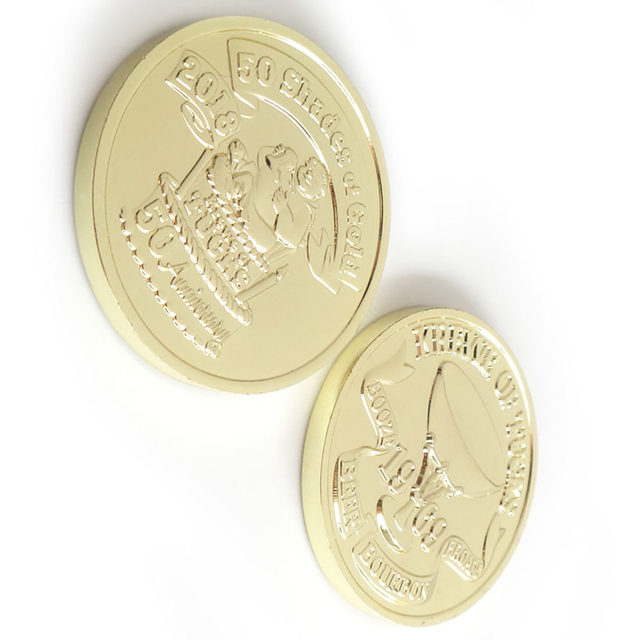
3D detail: Raised logos, textured surfaces, and sculpted designs add depth and a premium feel.
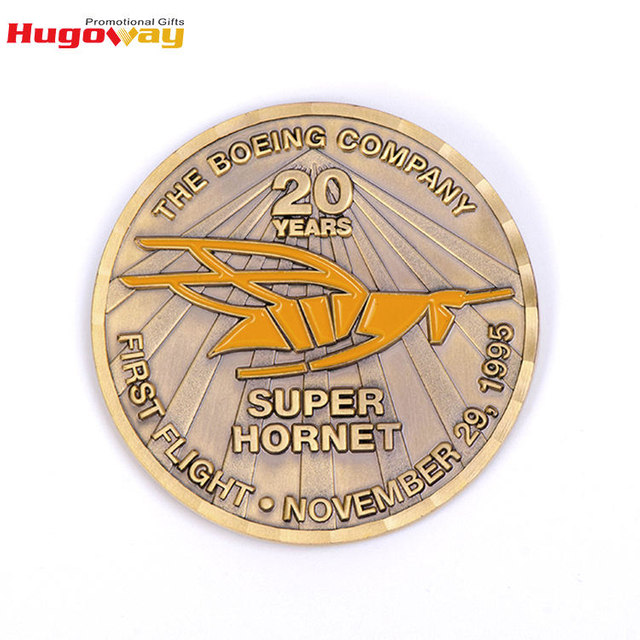
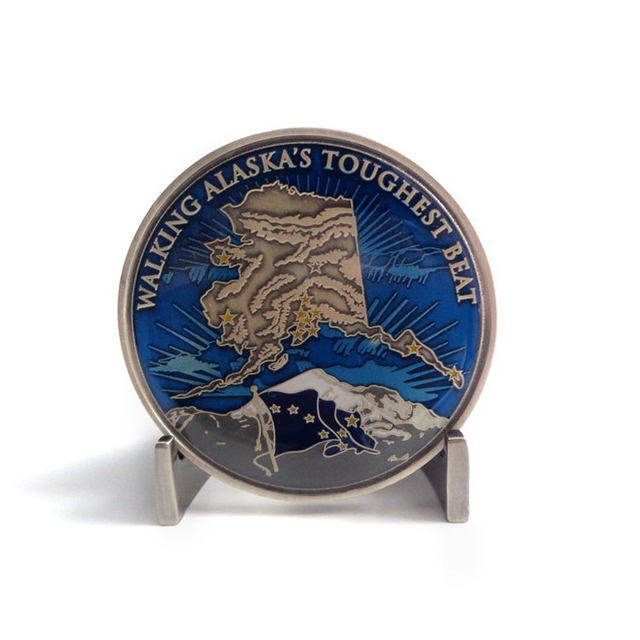
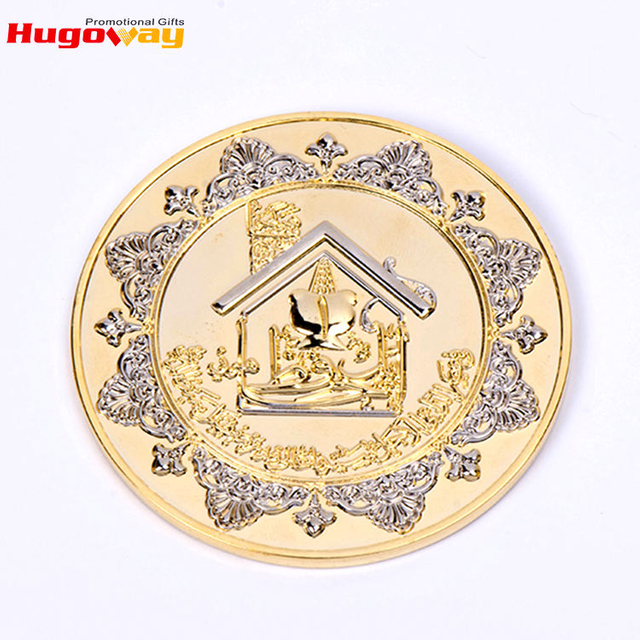
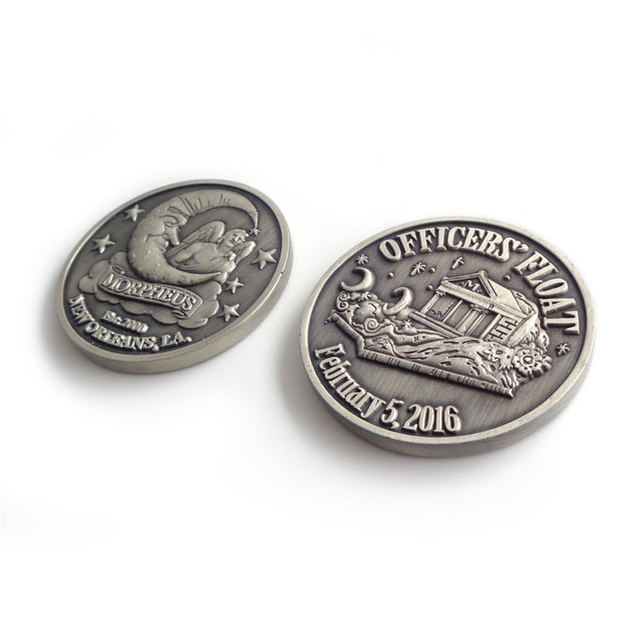
Plating finish: Gold, silver, bronze, antique copper—the finish sets the tone. Antique finishes are popular for vintage-style events, while shiny gold suits championship awards.
Ribbon color and quality: The ribbon is part of the presentation. Custom colors and widths complete the look.
Enamel fill: Soft enamel or epoxy color fills bring logos and artwork to life.
Before placing an order, it helps to understand the full range of customization options available. The table below outlines the standard specifications offered by Hugoway, a manufacturer specializing in custom sports medals.
Specification | Options Available |
|---|---|
Material | Brass, Copper, Zinc Alloy, Iron, Aluminum |
Thickness | 2mm, 2.5mm, 3mm, 3.5mm, 4mm, 5mm, 6mm |
Process | Die Struck, Die Casting, Printing |
Plating (Shiny) | Gold, Silver, Nickel, Copper, Brass |
Plating (Antique) | Gold, Silver, Copper, Brass, Two Tone |
Painting | Soft Enamel, Imitation Hard Enamel, Poly Enamel |
Epoxy | Available on request |
Packing Options | Poly bag, Bubble bag, Plastic box, Velvet bag, Velvet box |
Sample Time (2D) | 5 days after artwork confirmed |
Sample Time (3D) | 7 days after artwork confirmed |
Lead Time | 12–20 days after sample confirmed |
Delivery (MOQ) | 20–25 days after sample approval |
Shipping | DHL, FedEx, UPS (Air); Sea freight from Shenzhen or Hong Kong |
Payment | T/T, PayPal, Western Union |
Designing your own custom medals for races doesn't have to be complicated. The process is straightforward when you know what decisions to make upfront.
Start with the event itself. What does this race represent? A charity 5K might call for something colorful and celebratory. A competitive marathon might suit a heavier, more detailed medal with an antique finish. The design concept should reflect the spirit of the event.
Zinc alloy is the most popular choice for custom sports medals—it's durable, budget-friendly, and takes detail well. Brass and copper offer a premium feel for high-end events. As for size, most race medals range from 60mm to 100mm in diameter, though custom shapes can vary widely.
Gold plating signals achievement. Silver and bronze work well for tiered awards (1st, 2nd, 3rd place). For finisher medals where everyone receives the same design, a single striking finish—like antique brass with a soft enamel logo—can look sharp and cohesive.
Submit a 2D or 3D design file. Manufacturers like Hugoway will produce a physical sample before moving to full production, giving you a chance to review and approve the final look. A 2D design sample takes around 5 days; a 3D design takes approximately 7 days after artwork is confirmed.
Custom medals for races require advance planning. Factor in sample approval, production (12–20 days), and shipping (20–25 days for standard orders). For large events, placing your order at least 8–10 weeks before race day is a safe approach.
Budget matters—especially for community events, school sports days, or fun runs with hundreds of participants. The good news? Cheap custom medals don't have to look cheap.
Ordering at higher quantities significantly reduces the per-unit cost. Iron and zinc alloy are the most cost-effective materials without sacrificing visual quality. Die-casting allows for clean, detailed designs at a lower price point than hand-finishing.
For budget-conscious orders, a few smart trade-offs help manage costs:
Simpler shapes: Standard round or shield shapes cost less to produce than intricate die-cut designs.
Single plating color: Combining two tones or adding multiple enamel fills increases cost.
Standard ribbon: Custom-woven ribbons cost more than solid-color alternatives.
Poly bag packaging: Velvet boxes are beautiful but add to the unit price. Poly bags work fine for large participant orders.
Hugoway's cheap custom medals range covers sports like basketball, weightlifting, and running—proving that affordability and quality can coexist when you make informed design choices.
Different sports and events call for different medal styles. Here's a quick breakdown of what tends to work well:
Running and 5K races: 3D logo medals with bold ribbon colors. Finisher medals often feature course maps, route distances, or motivational text on the reverse.
Football and soccer: Custom football gold medals with raised 3D logos are a popular choice for tournament awards.
Basketball: Sport-specific shaped medals or round medals with basketball surface textures and enamel team colors.
Weightlifting and strength sports: Shaped medals featuring kettlebells or barbells, often in bronze or antique finishes.
School and youth events: Lightweight aluminum medals in bright enamel colors, packaged simply to keep costs down.
A well-designed custom medal is one of the most tangible rewards you can give a race participant. It's something they'll keep, display, and remember long after the event is over. Getting it right comes down to three things: choosing the right material for your budget, planning enough lead time, and working with a manufacturer who can bring your artwork to life accurately.
Hugoway specializes in custom running medals, custom sports medals, and custom medals for races across a wide range of sports and event types. With flexible customization options, fast sample turnaround, and reliable international shipping, they're a trusted manufacturing partner for event organizers worldwide. Contact their team at info@hugoway.com or visit hugoway.com to request a quote and start your design.
Minimum order quantities vary by manufacturer and design complexity. Hugoway accommodates a range of order sizes—contact their team directly for MOQ details specific to your design.
After artwork is confirmed, a 2D sample takes approximately 5 days and a 3D sample takes around 7 days. Full production runs 12–20 days after sample approval, with delivery in 20–25 days for standard orders.
Zinc alloy and iron are the most cost-effective materials that still accept fine detail, clean plating, and enamel fill. Both are widely used for bulk race medals without compromising appearance.
Yes. Ribbon color, width, and print can typically be customized alongside the medal design. Standard solid-color ribbons are the most budget-friendly option.
Die struck medals are made by pressing metal into a mold under high pressure, producing sharp, clean detail with a denser finish. Die casting involves pouring molten metal into a mold, which allows for more complex 3D shapes and deeper relief. Both methods are widely used for custom sports medals.