
Views: 0 Author: Site Editor Publish Time: 2026-10-15 Origin: Site


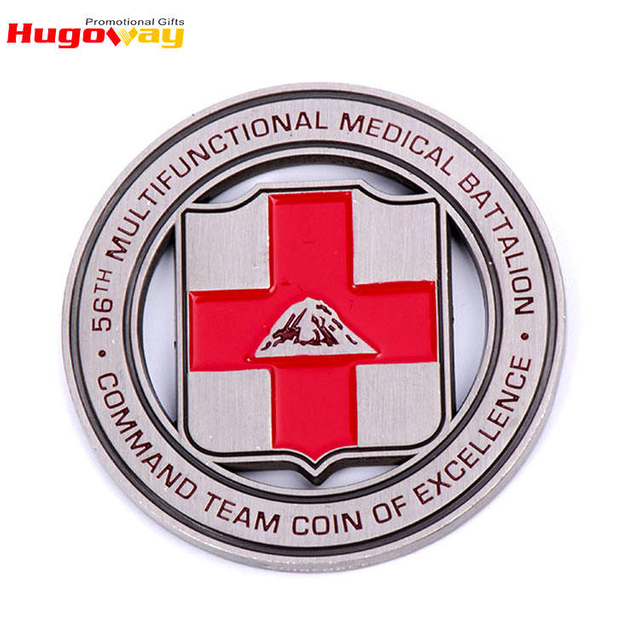
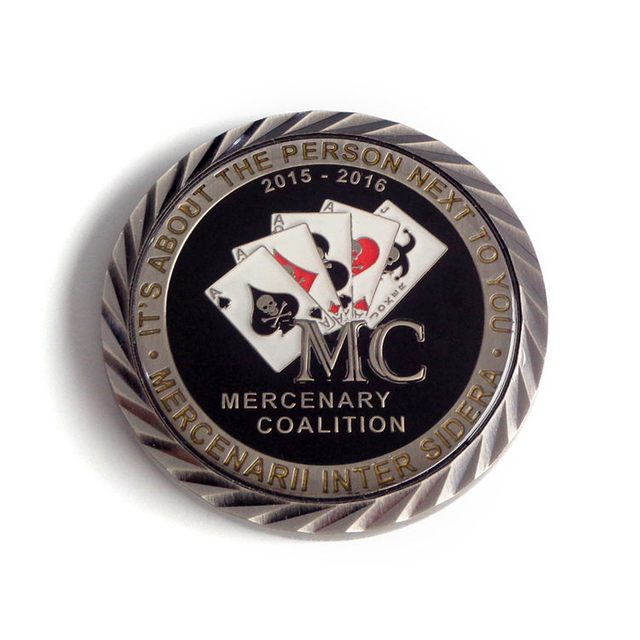
Custom challenge coins are personalized metal medallions used to honor achievements, build team identity, and commemorate events. Choosing the right challenge coin manufacturer—especially those based in China, where most custom coins are produced—determines your coin's quality, turnaround time, and cost. This guide covers the coin-making process, how to pick a reliable manufacturer, and what to look for before placing an order.
Challenge coins started as military tradition, passed between service members to mark unit pride and personal accomplishment. Today, they've found their way into corporate recognition programs, sports teams, nonprofit fundraisers, and even wedding favors. A well-designed coin carries weight—literally and figuratively—and that's exactly why so many organizations are turning to custom challenge coins to tell their story.
If you've never ordered custom coins before, the process can feel overwhelming. There are dozens of metal finishes, plating options, and manufacturers to choose from, and getting it wrong means wasted money and a product that doesn't reflect your brand. This guide breaks down everything you need to know, from how coins are made to how to vet a challenge coin manufacturer you can trust.
Custom challenge coins serve a wide range of purposes beyond their military roots:
Recognition and awards: Businesses use coins to celebrate employee milestones, work anniversaries, or outstanding performance.
Team building: Sports teams and clubs distribute coins to build camaraderie and mark shared achievements.
Branding and marketing: Companies hand out branded coins at trade shows or conferences as memorable, tactile giveaways.
Commemorative events: Weddings, graduations, and anniversaries often feature custom coins as keepsakes.
Fundraising: Nonprofits sell limited-edition coins to raise funds while giving donors a lasting memento.
Each use case comes with its own design priorities, but the manufacturing process remains largely the same.
Making challenge coins involves several precise steps, whether you're ordering 50 coins or 5,000.
You start with a design—either your own artwork or a concept you describe to the manufacturer's design team. Most reputable manufacturers offer free design assistance and will send you a digital proof before production begins.
Once the design is approved, the manufacturer creates a mold or die used to stamp the coin's base shape and detail into metal.
Molten metal (commonly zinc alloy, brass, or copper) is poured or stamped into the mold to form the coin's raw shape.
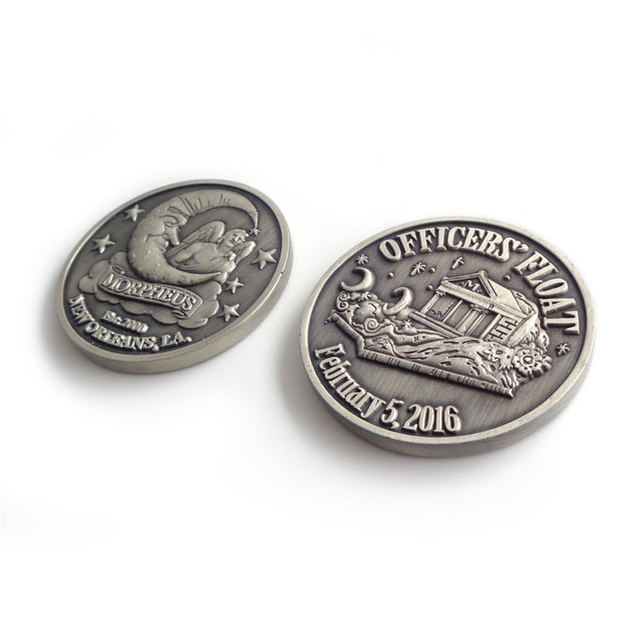
The coin is plated with your choice of finish—gold, silver, antique bronze, nickel, or black nickel are common options. Plating affects both the coin's appearance and its price point.
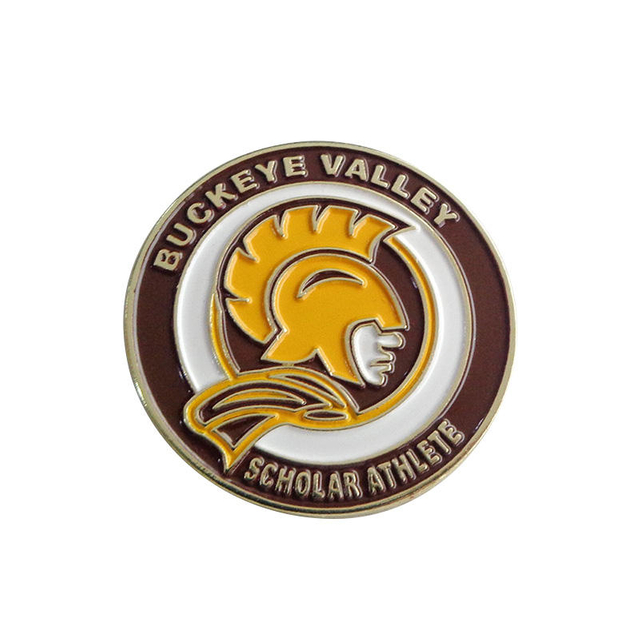
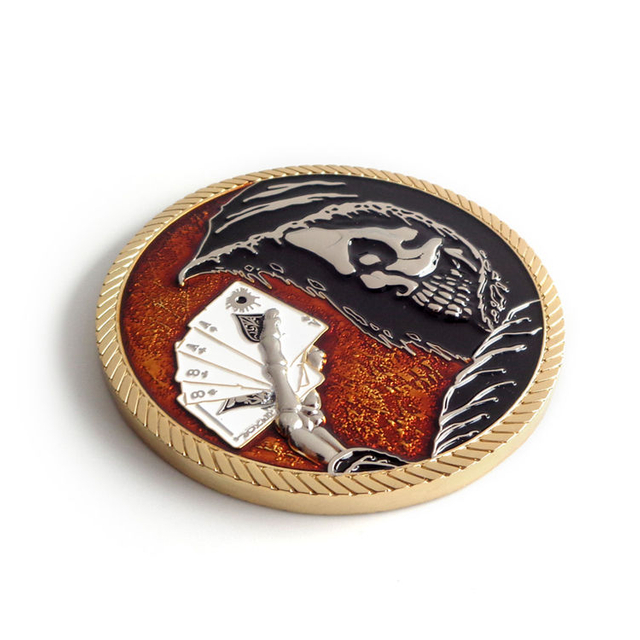
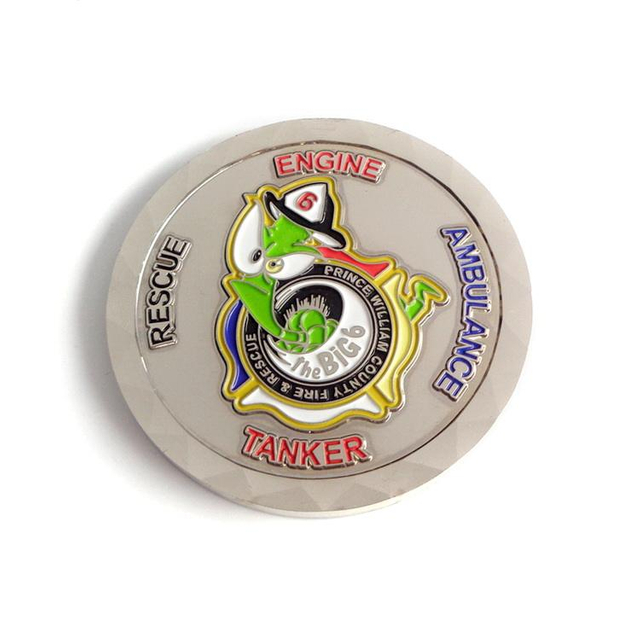
If your design includes color, enamel is applied by hand or machine. Soft enamel gives a textured feel, while hard enamel produces a smooth, polished surface.
The finished coins are polished, inspected, and packaged, often in velvet pouches or acrylic display cases.
This process is why lead times for custom coins typically range from two to four weeks, depending on order volume and design complexity.
China has become the dominant hub for custom challenge coin production, and for good reason. The country's metalworking industry combines decades of manufacturing expertise with the scale needed to keep costs low—even for small-batch orders.
Choose a China-based custom challenge coin manufacturer if cost-efficiency and production capacity matter more than working with a domestic supplier. Many manufacturers in China also offer full design services, multiple plating options, and the ability to produce complex 3D or cut-out designs that would be far more expensive to manufacture elsewhere.
That said, working with an overseas manufacturer does mean factoring in shipping time and communication across time zones. Reputable manufacturers typically have English-speaking sales teams and transparent production timelines to offset these challenges.
Not all manufacturers deliver the same quality. Before placing an order, evaluate potential suppliers on these criteria:
Factor | What to Look For | Why It Matters |
|---|---|---|
Minimum order quantity (MOQ) | Low or no MOQ options | Useful for small businesses or one-off events |
Material options | Zinc alloy, brass, copper, iron | Affects durability and overall feel |
Plating choices | Gold, silver, antique finishes, black nickel | Impacts visual appeal and perceived value |
Design support | Free digital proofs, revisions included | Ensures your vision is accurately translated |
Turnaround time | Clear production and shipping timelines | Critical for event deadlines |
Reviews and samples | Verified customer feedback, sample requests | Confirms quality before a bulk order |
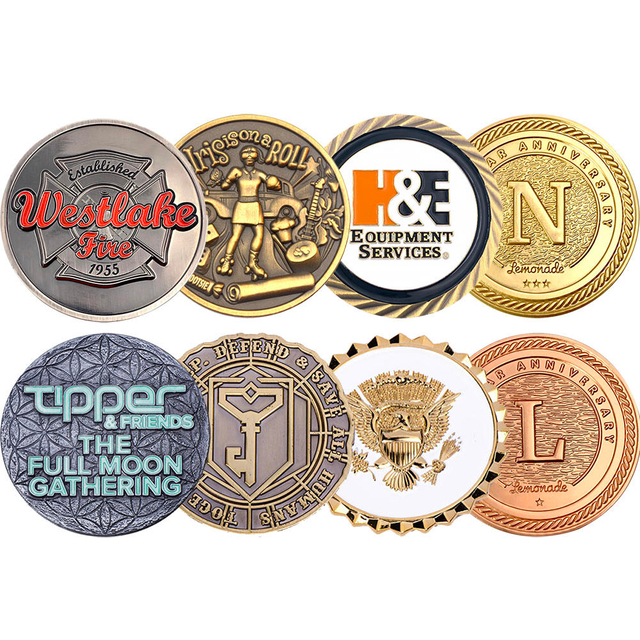
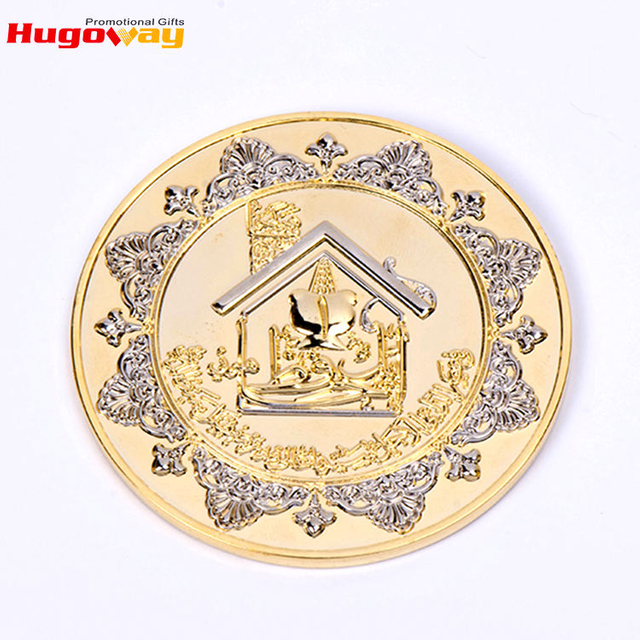
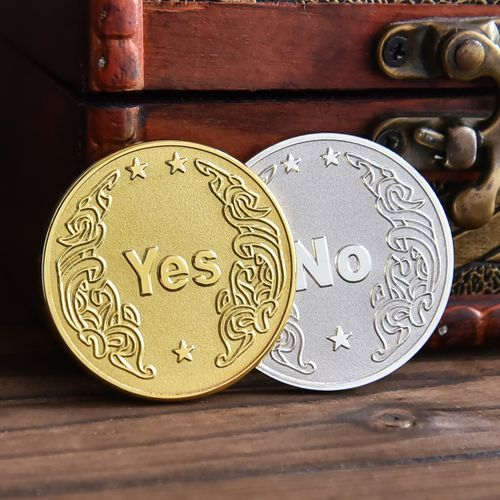
For example, manufacturers like Hugoway offer personalized metal coin options—including gold and silver finishes—with the ability to upload your own logo for a fully custom result. Reviewing a manufacturer's product catalog or sample gallery before committing to an order is one of the easiest ways to confirm their work matches your expectations.
Design decisions directly affect both cost and impact. Keep these factors in mind:
Size: Standard coins range from 1.5 to 2 inches in diameter, though custom shapes and sizes are available.
Thickness: Thicker coins feel more substantial but may cost more per unit.
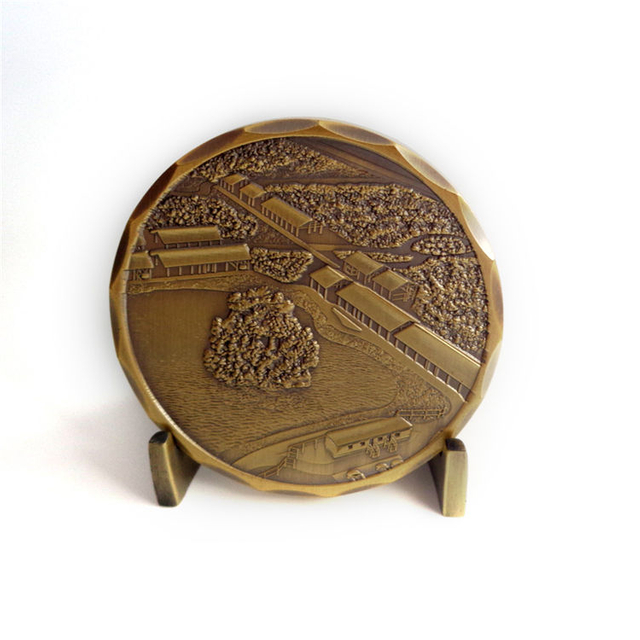
Edge detailing: Options include diamond cut, rope edge, or smooth edges for a more refined look.
2D vs. 3D design: 3D elements add depth and visual interest but increase production complexity and cost.
Cut-outs: Negative space cut-outs create a distinctive silhouette, popular for brand logos or symbolic shapes.
Choose a simpler 2D design if your budget is limited or your order volume is small. Opt for 3D detailing and cut-outs if your coin is meant to serve as a premium collector's item or high-visibility recognition award.
Ready to move forward? Start by gathering reference images or sketches of your desired design, along with your target quantity and budget. Reach out to two or three manufacturers for quotes and digital proofs before committing. Comparing samples and reviews across a few custom challenge coins manufacturers ensures you land on a supplier who matches your quality expectations and timeline.
Challenge coins carry meaning well beyond their size. Whether you're recognizing a team's hard work or creating a keepsake for a milestone event, investing a little extra time in choosing the right challenge coin manufacturer pays off in the final product you hold in your hand.

How much do custom challenge coins typically cost?
Pricing varies based on size, metal type, plating, and order quantity, but bulk orders generally lower the per-unit cost significantly compared to small batches.
How long does it take to receive custom challenge coins?
Most orders take two to four weeks from design approval to delivery, factoring in production and shipping time, especially for international manufacturers.
Can I order a small batch of custom coins?
Yes. Many manufacturers now offer low or no minimum order quantities, making custom coins accessible for individuals and small businesses, not just large organizations.
What metal is best for challenge coins?
Zinc alloy is the most common and cost-effective choice, while brass and copper offer a more premium feel for higher-budget projects.
Are there alternatives to ordering from a manufacturer in China?
Domestic manufacturers exist but typically come with higher costs and sometimes longer lead times due to smaller production scale.